
It’s been awhile since I wrote a blog post. I haven’t written since the 1st of the year! Life’s been pretty boring, and I haven’t been doing anything too exciting. But today, I visited the National World War II museum in New Orleans for the first time.
I have heard for years about what a great museum it is. It is actually the number 1 rated tourist attraction in New Orleans on Trip Advisor. But I had never visited until today. The museum is very well done with lots of exhibits. I learned a lot, but could go back and learn so much more. Because I was visiting with my family (including my seven year old daughter), I did not have the time to read all the information or watch all of the videos. A history buff could easily spend a whole day there.
I took a lot of pictures.
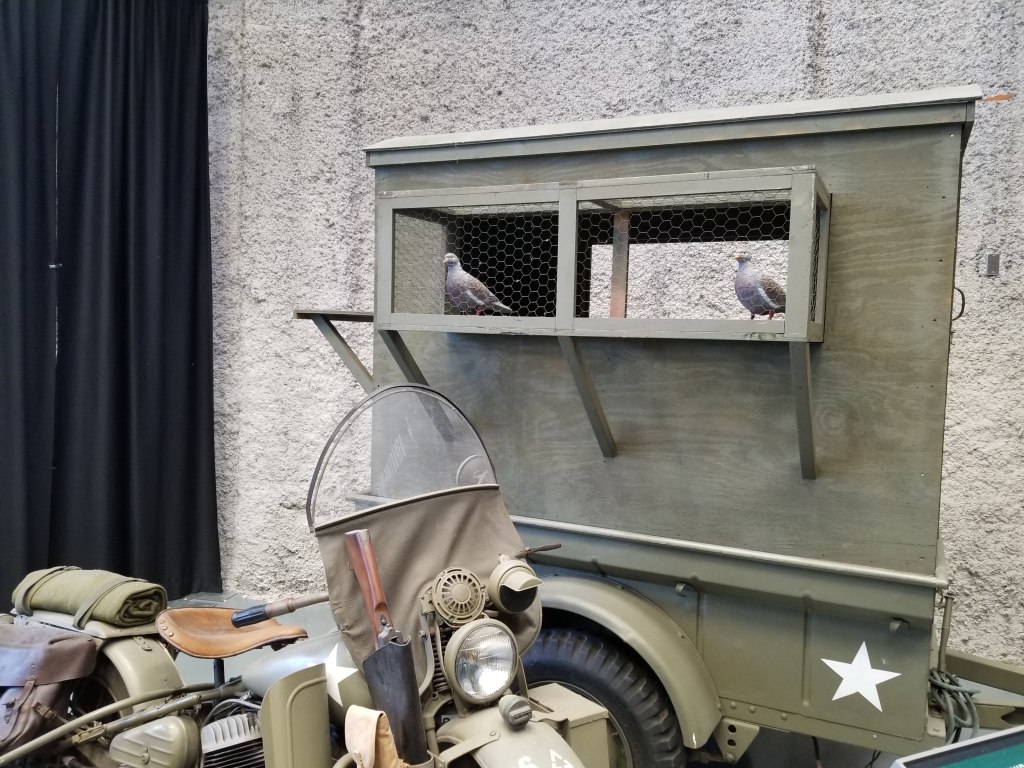
I love that pigeons were used as a form of communication! 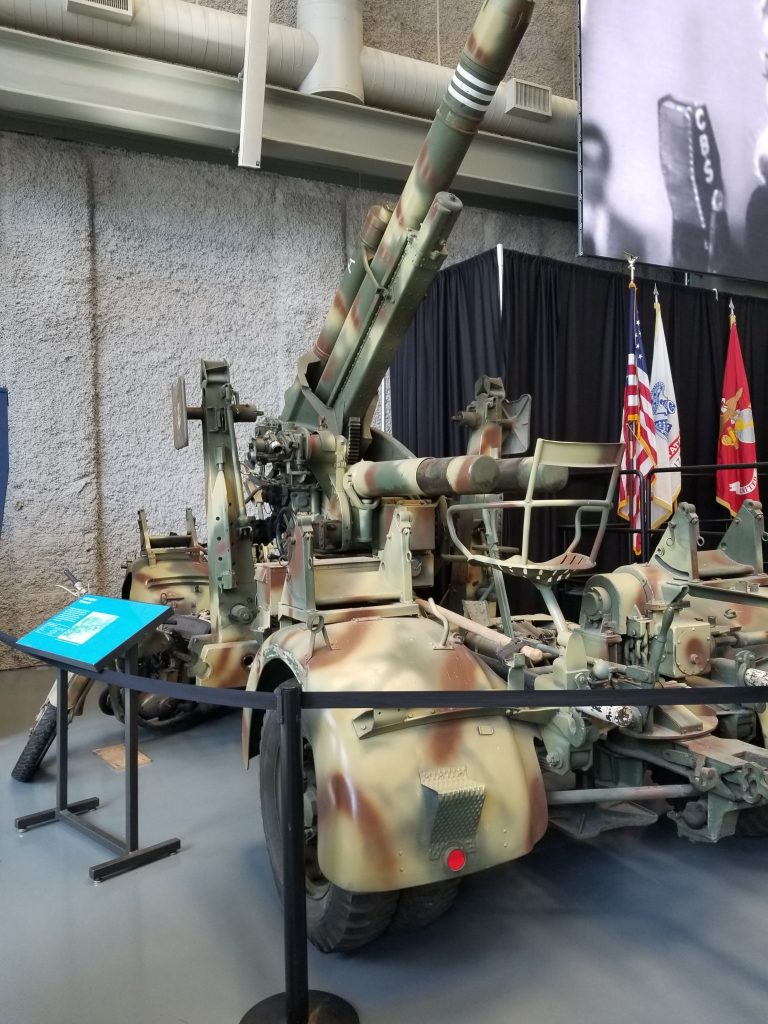
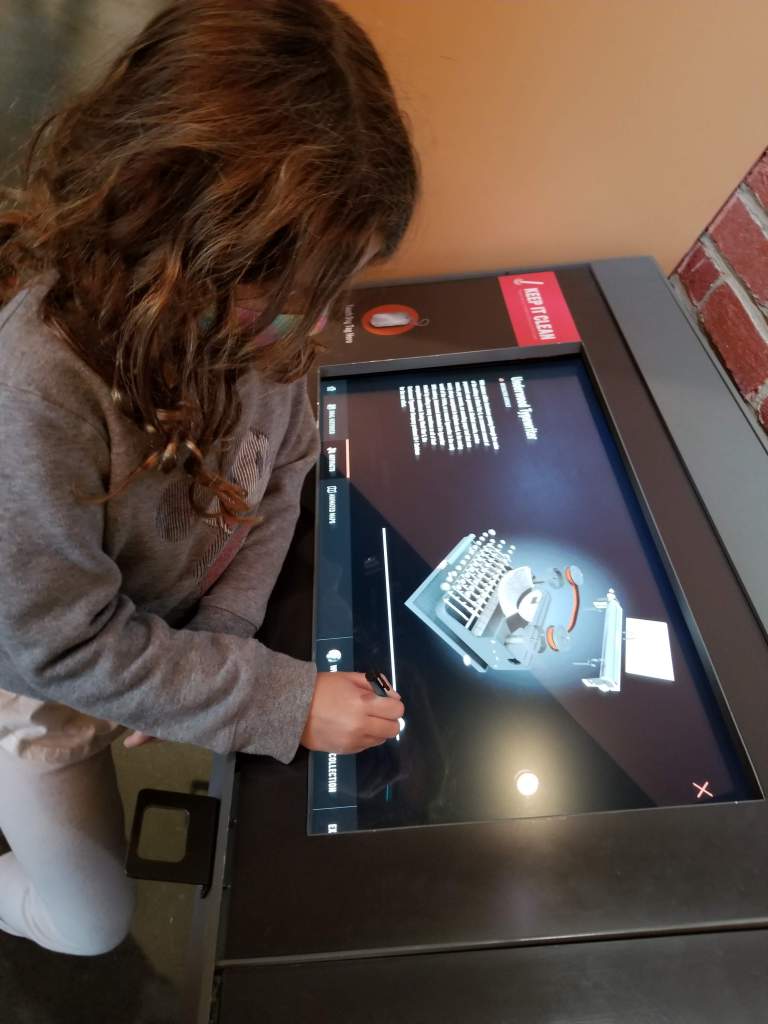
At the start of the museum, you can get a dog tag card. You board the train and are able to scan your card to learn one particular person’s story during the war. Each card is unique, so if your family gets multiple cards, you can follow the stories of multiple people. Throughout the museum, there are places where you can scan your dog tag and learn more about that person’s journey. My daughter enjoyed this interactive feature. The museum also provides each person with their own stylus to use on the touch screen displays instead of your finger!
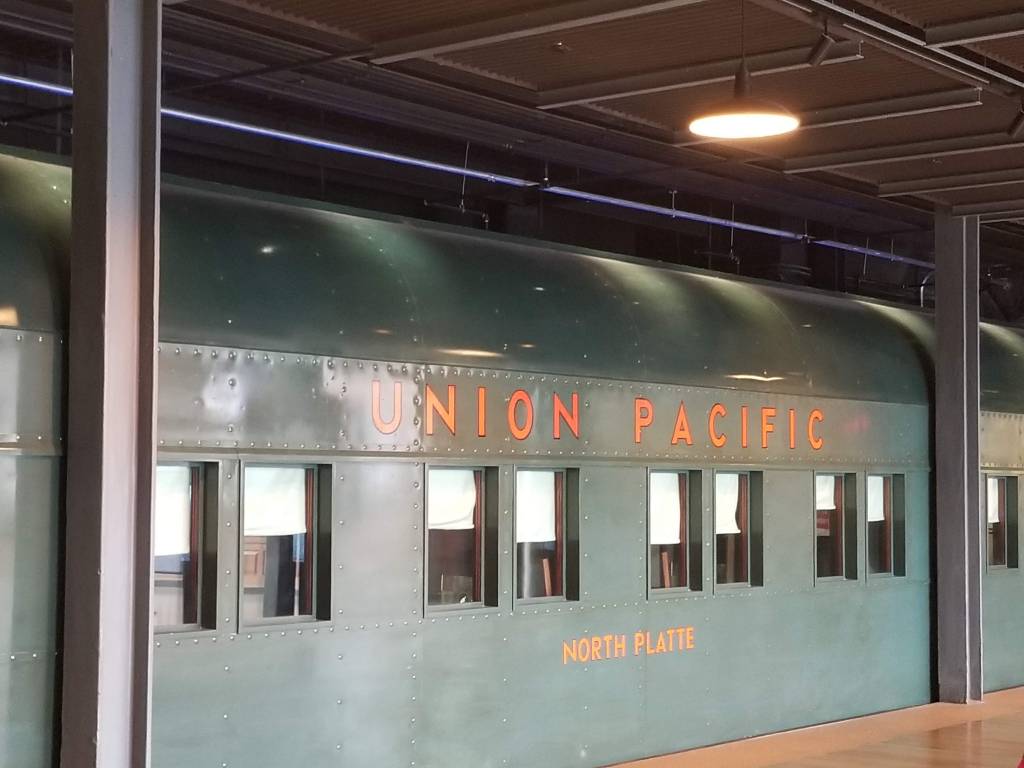
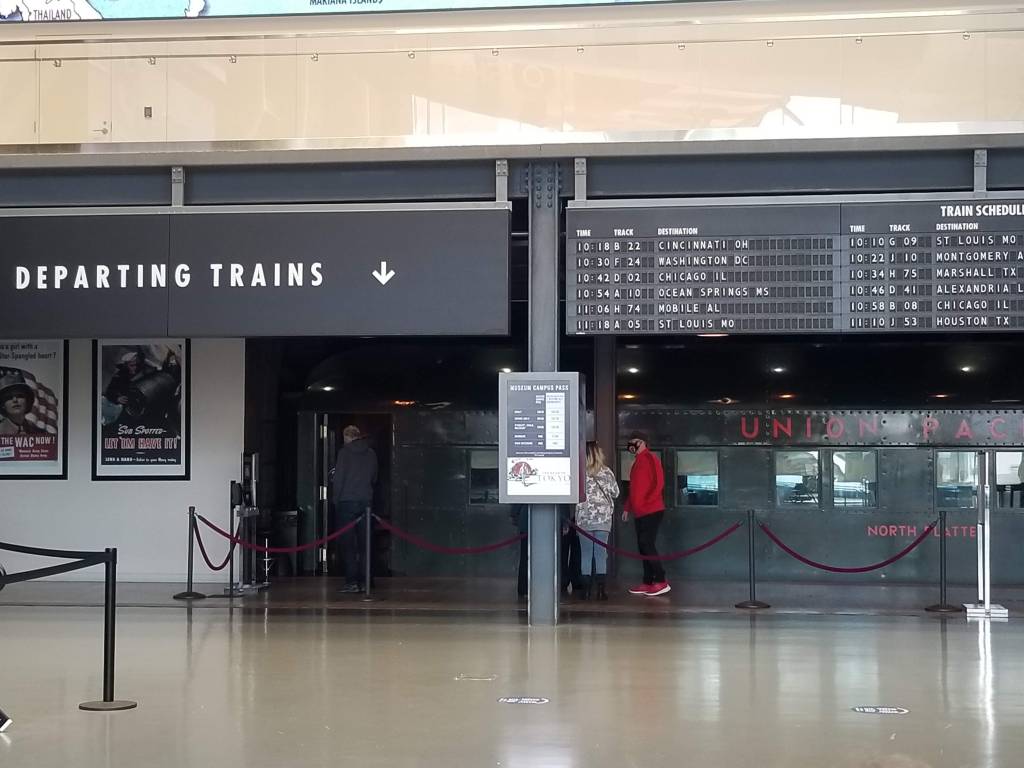
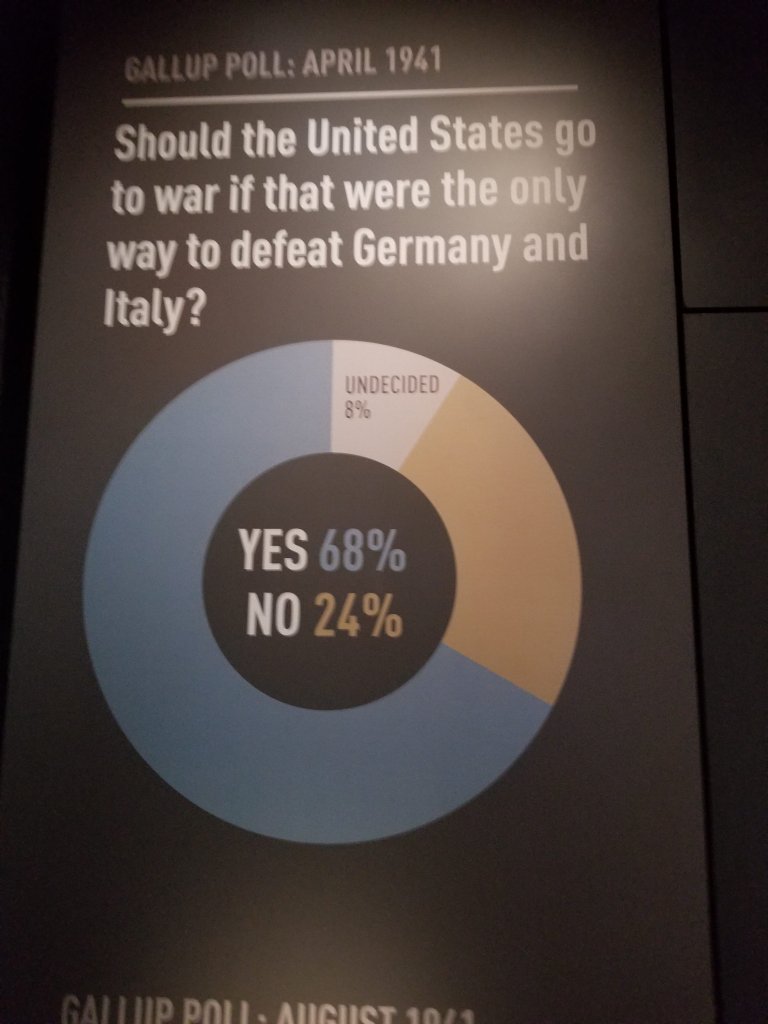
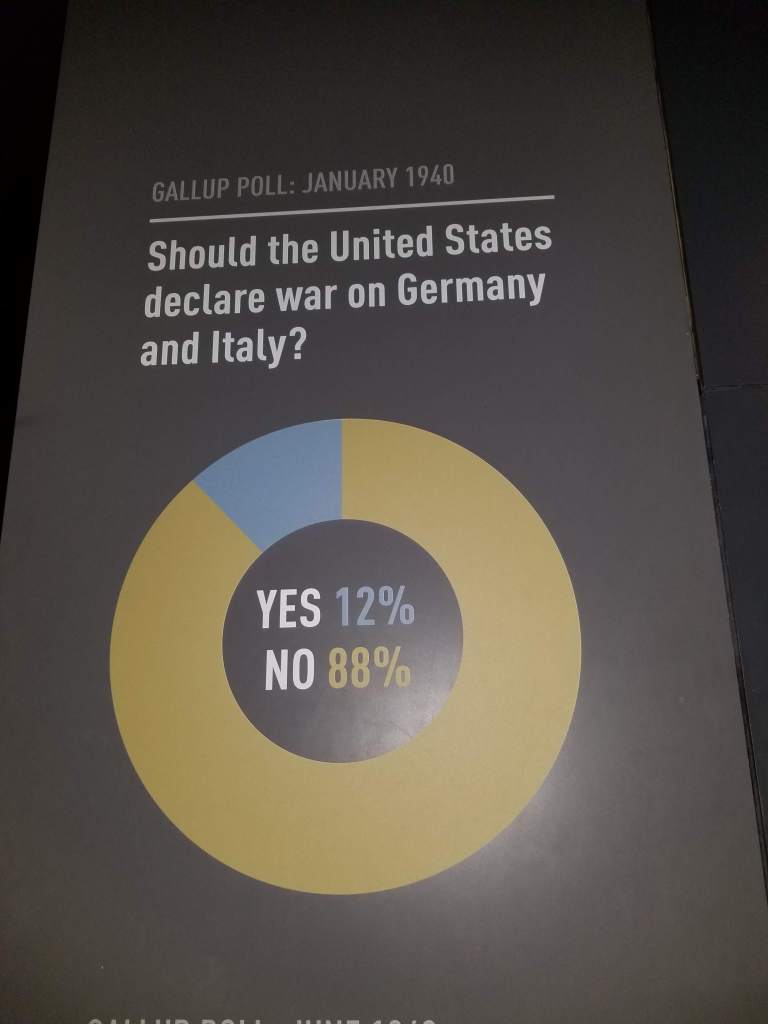
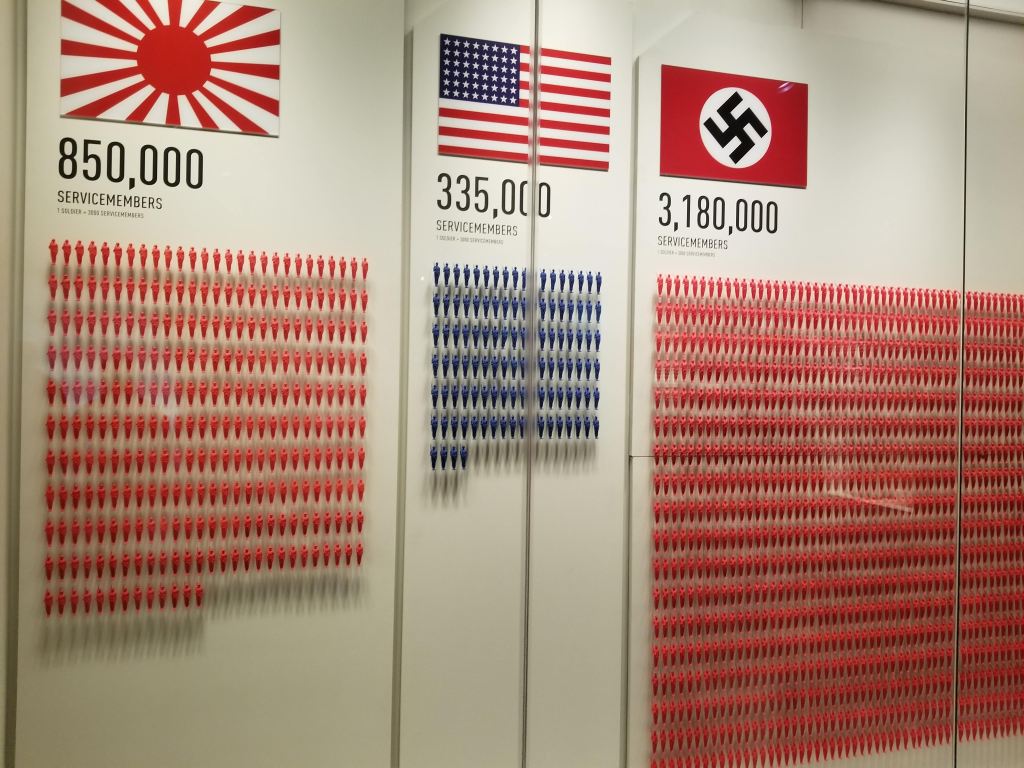
While I was well aware of the United States’ extreme reluctance to join the war (prior to Pearl Harbor), I had no idea how small our army was compared to other countries at the time. The U.S. was 18th in the world in terms of armed forces during the 1930’s.
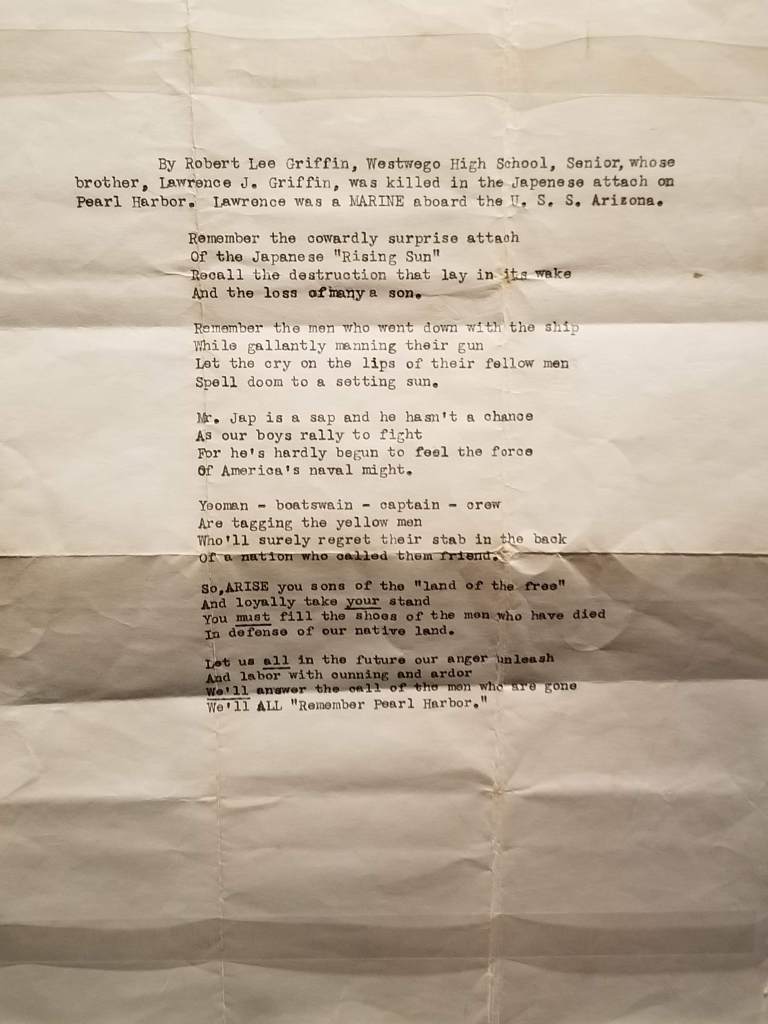
Throughout the museum, the stories and artifacts from particular soldiers was shared. Personal anecdotes, a copy of a journal, a uniform, etc. give a real view of how the war affected individuals. I liked seeing this poem written by a high school senior from the Westbank (where I grew up).
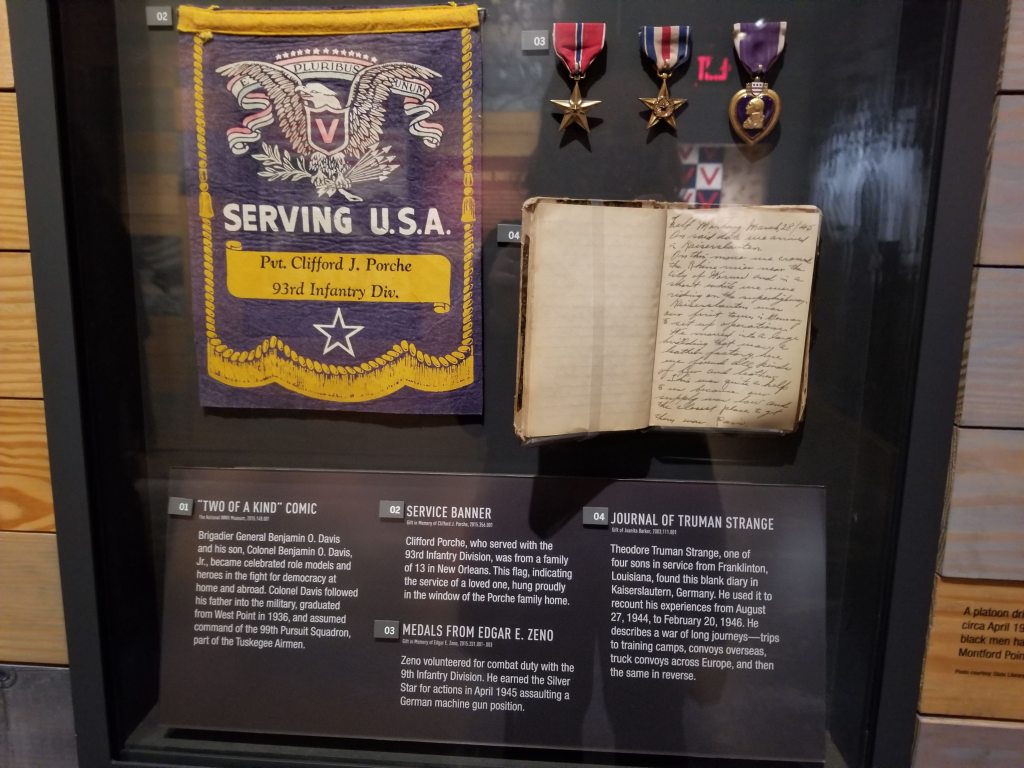
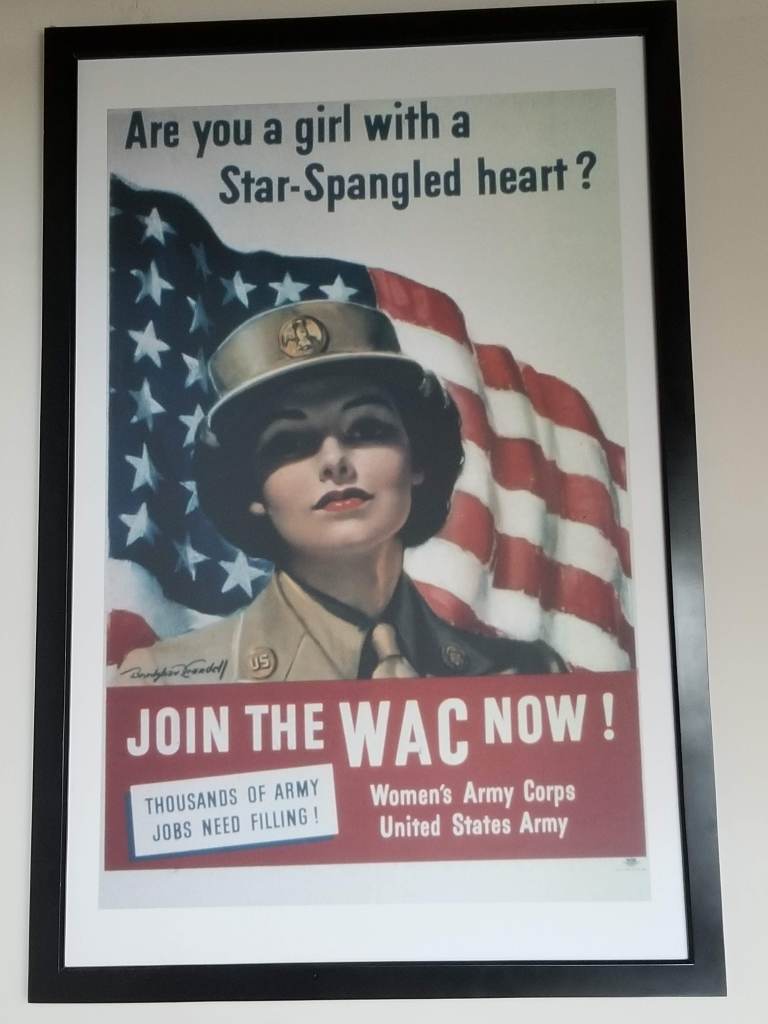
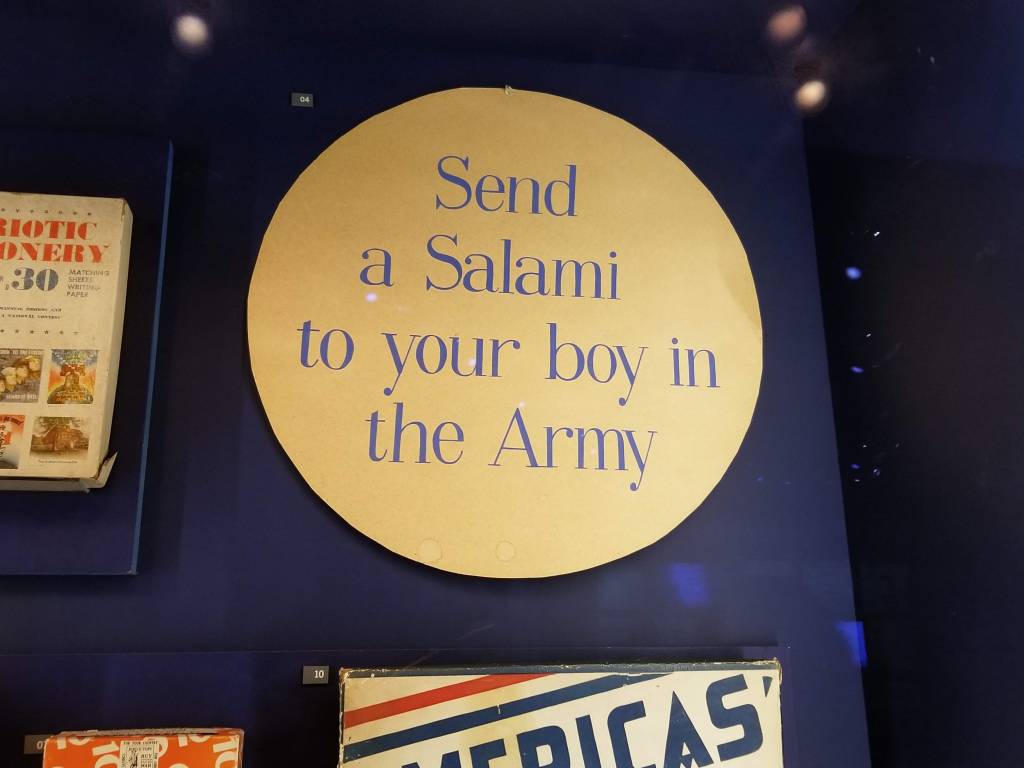
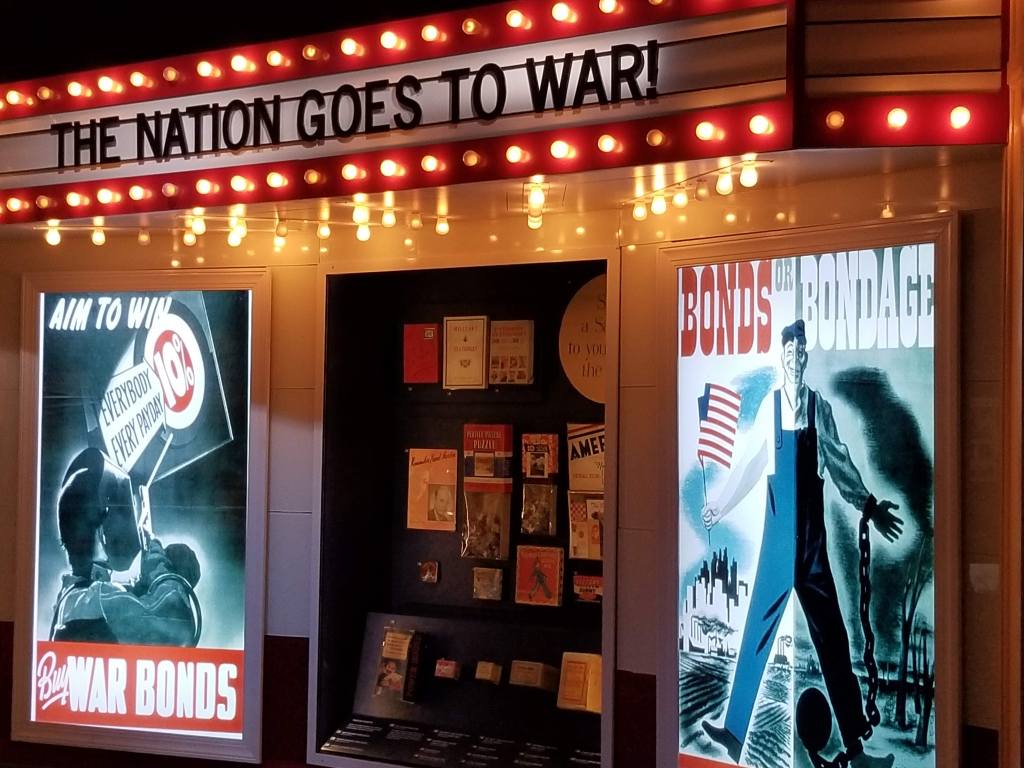
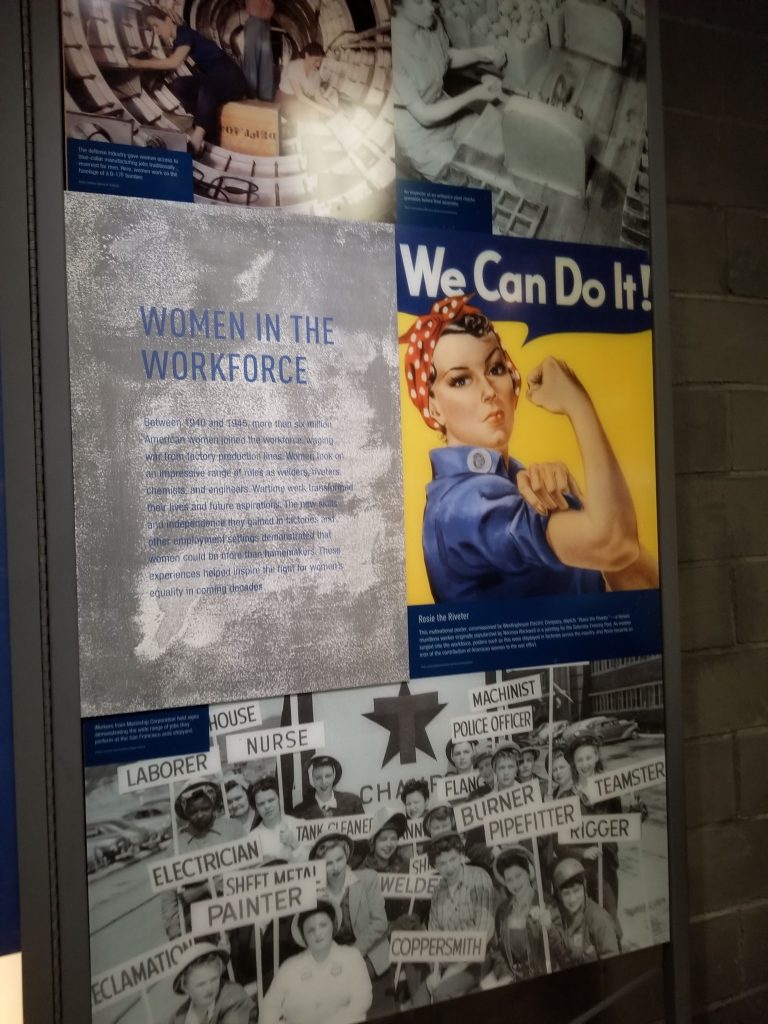
It is so interesting to learn about how everyone in the U.S. contributed to the war effort. Women took over the factory jobs for men to make the supplies needed. And of course, women served overseas also.

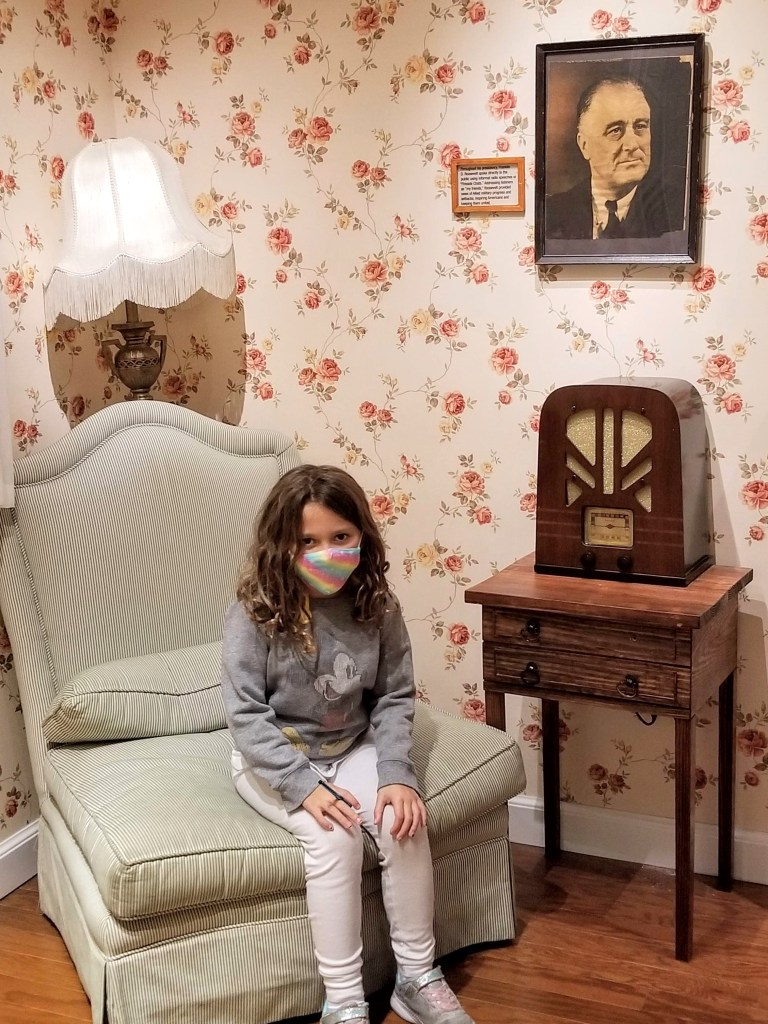
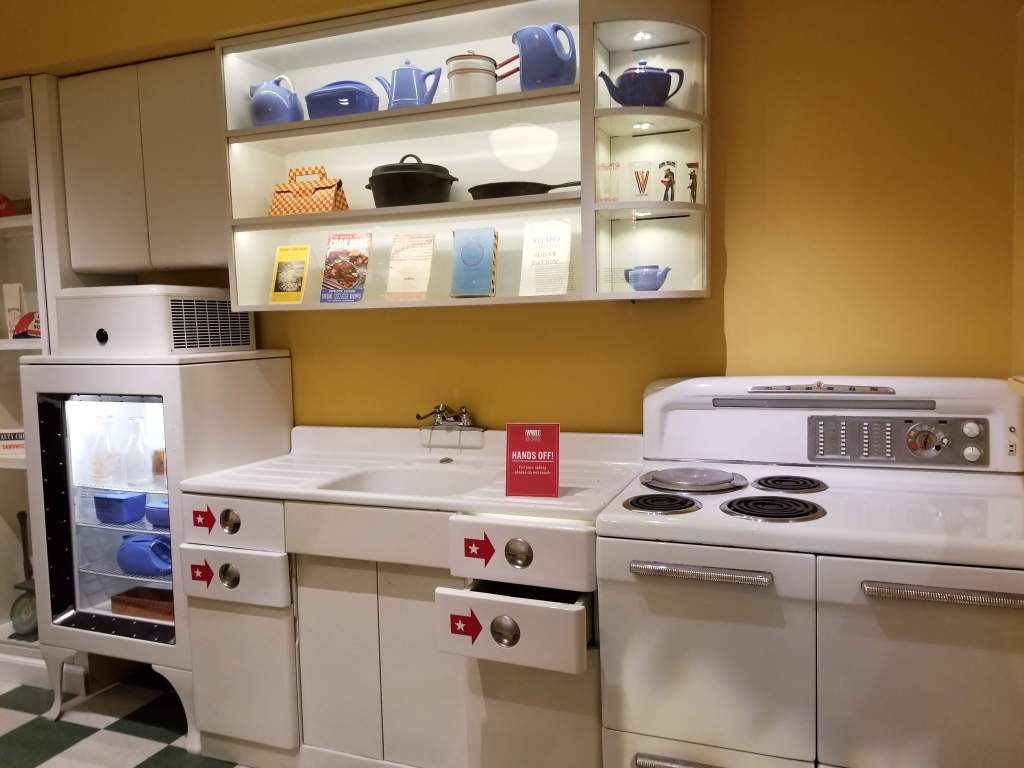
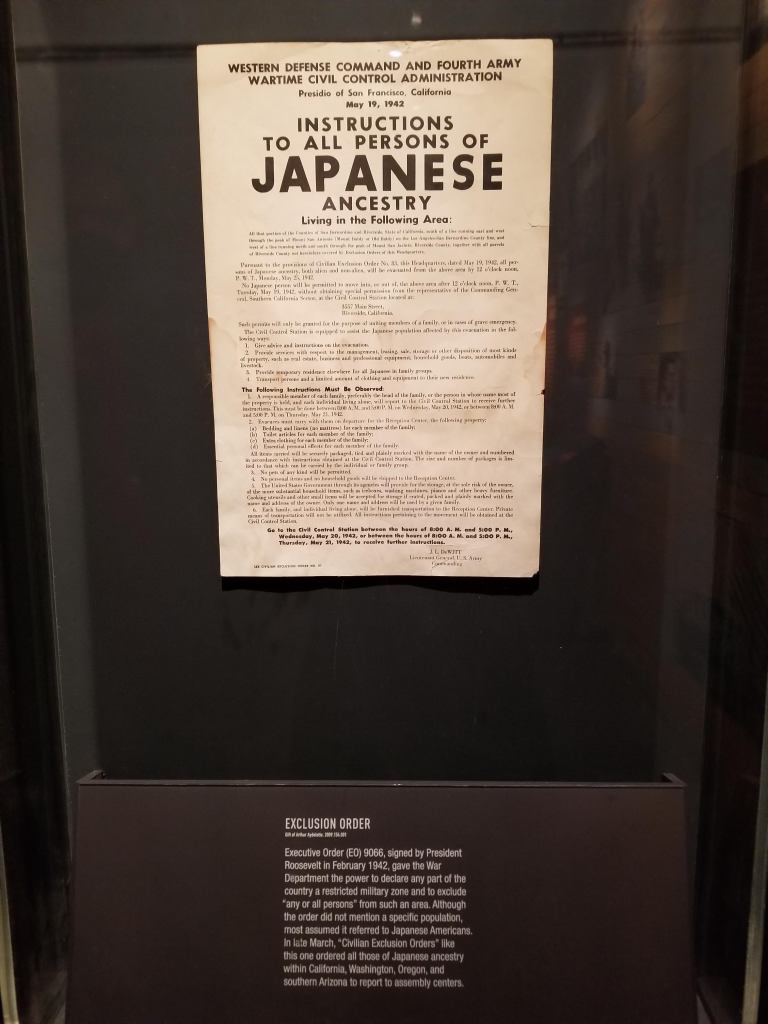
The museum did not shy away from the discussion of racism in America and how it was during wartime. There were definitely inconsistencies in our nation’s own practices and the fight to stop the evils associated with extreme racism by the enemy. But it took all of our nation (black, white, Latino, Chinese, Native American, etc.) to win this war. The Japanese interment camps are a particularly sad part of our history at that time.
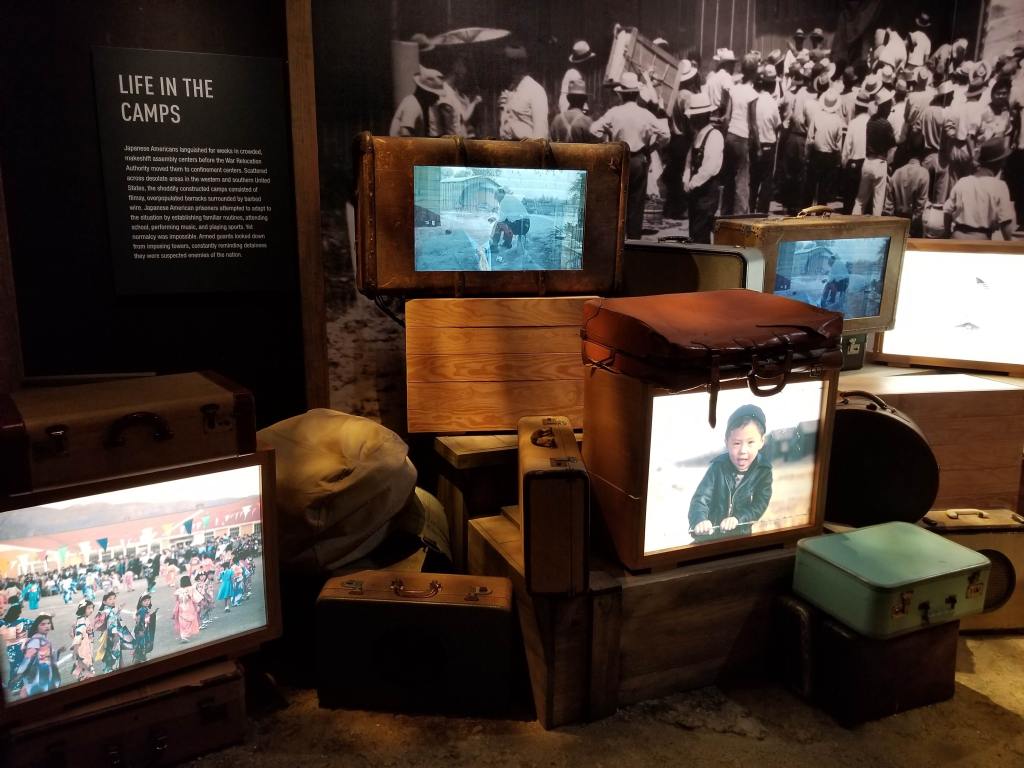
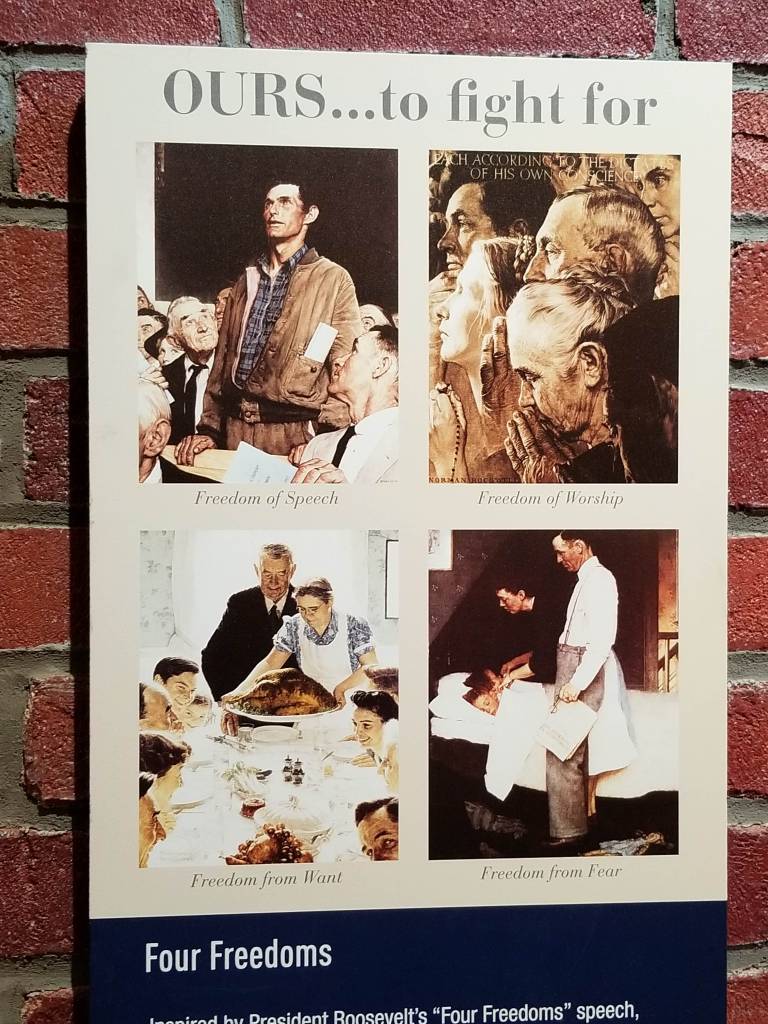
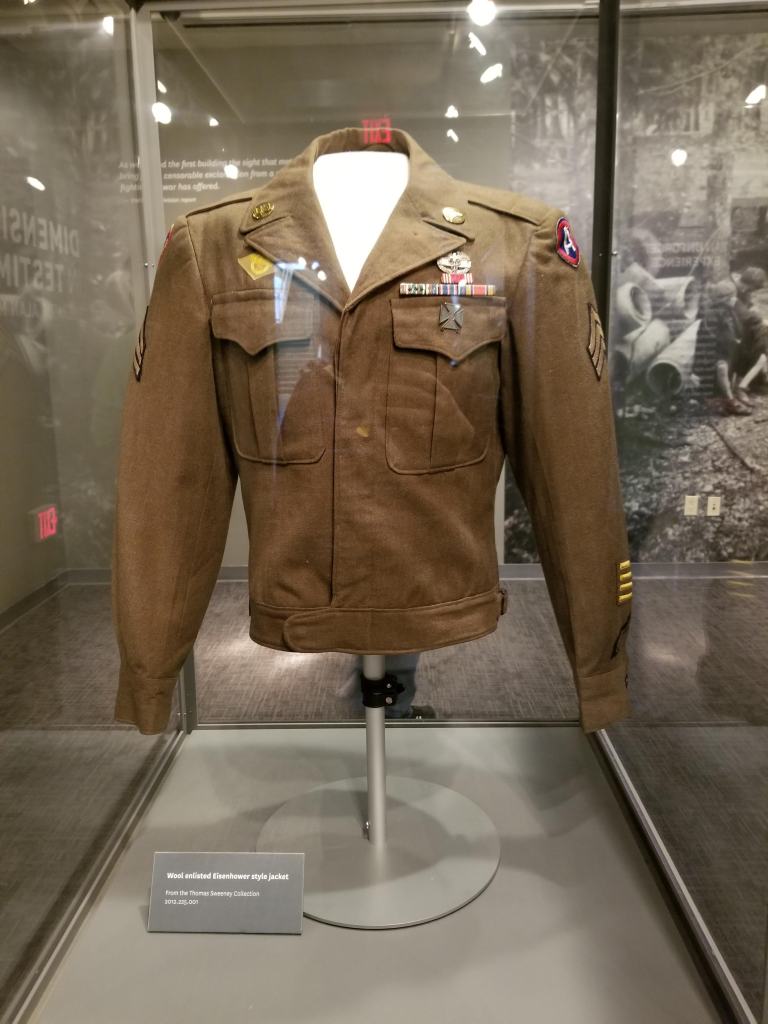
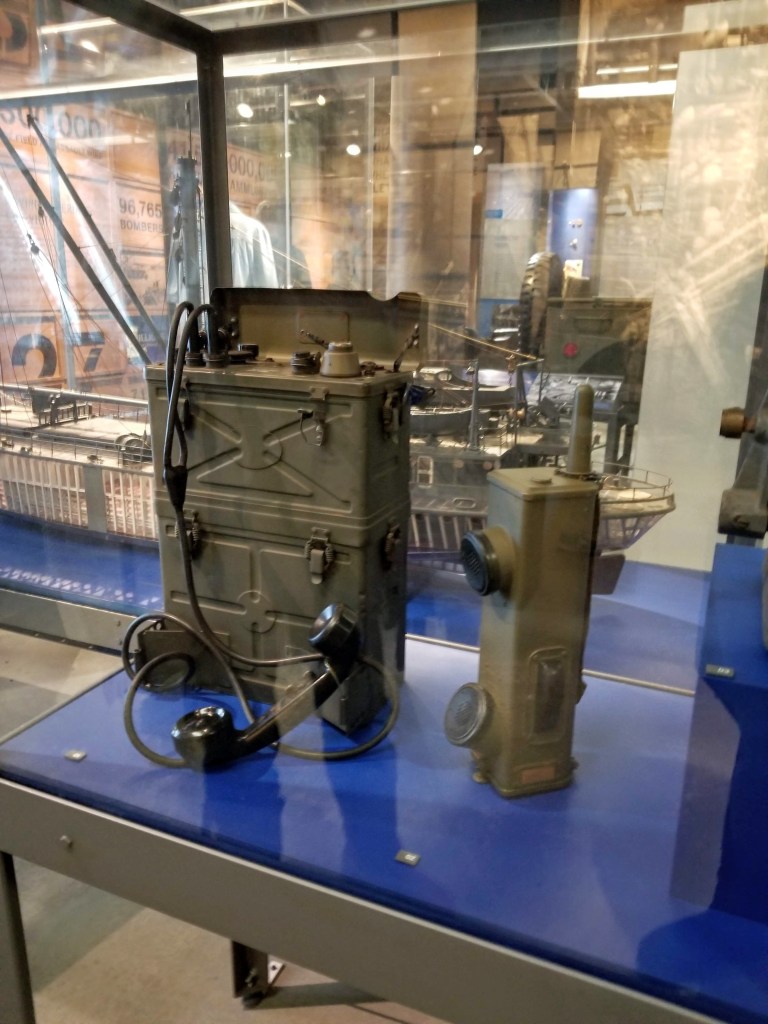
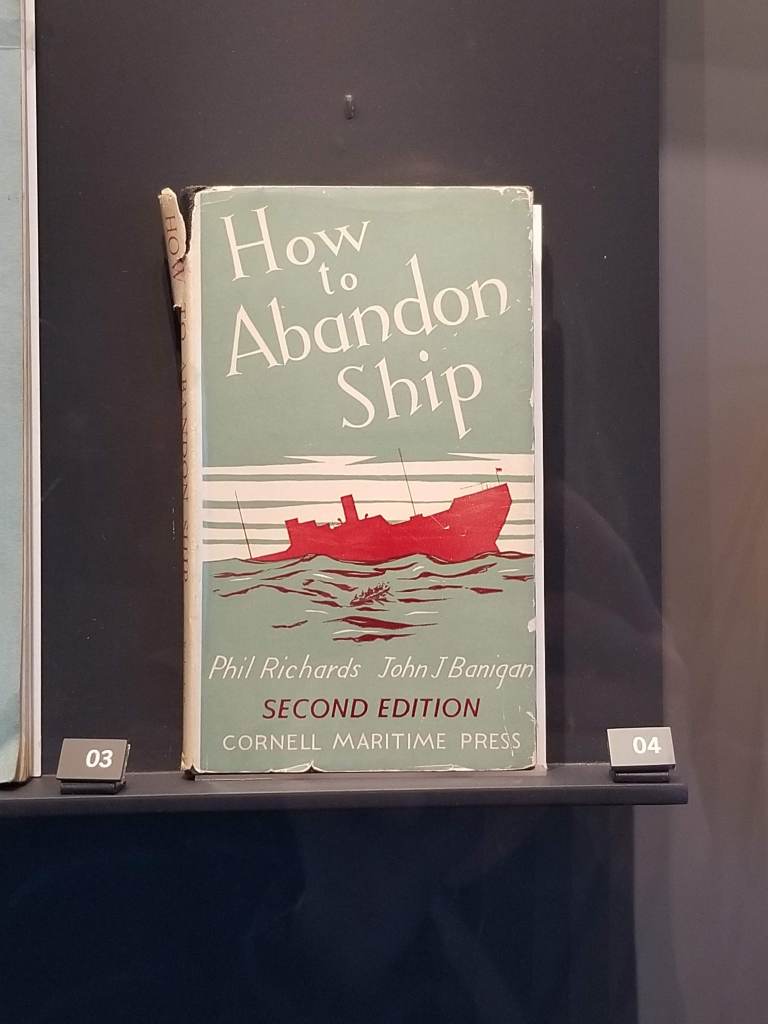
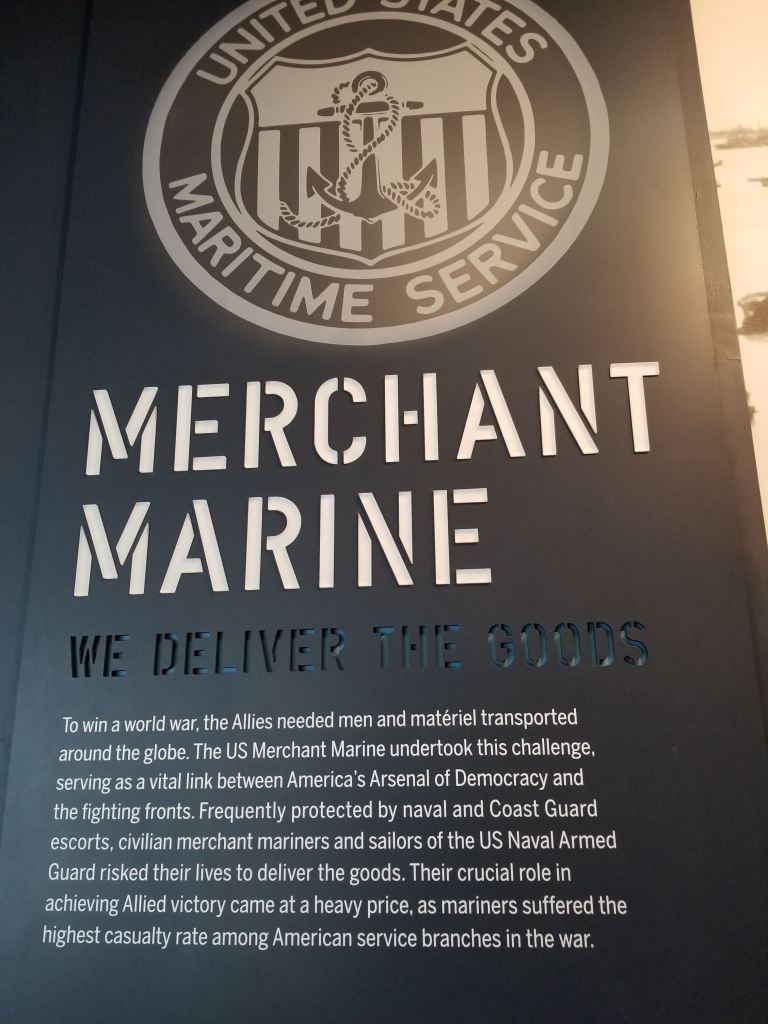
I learned that the Merchant Marines suffered the highest casualty rate of any branch of the armed forces.
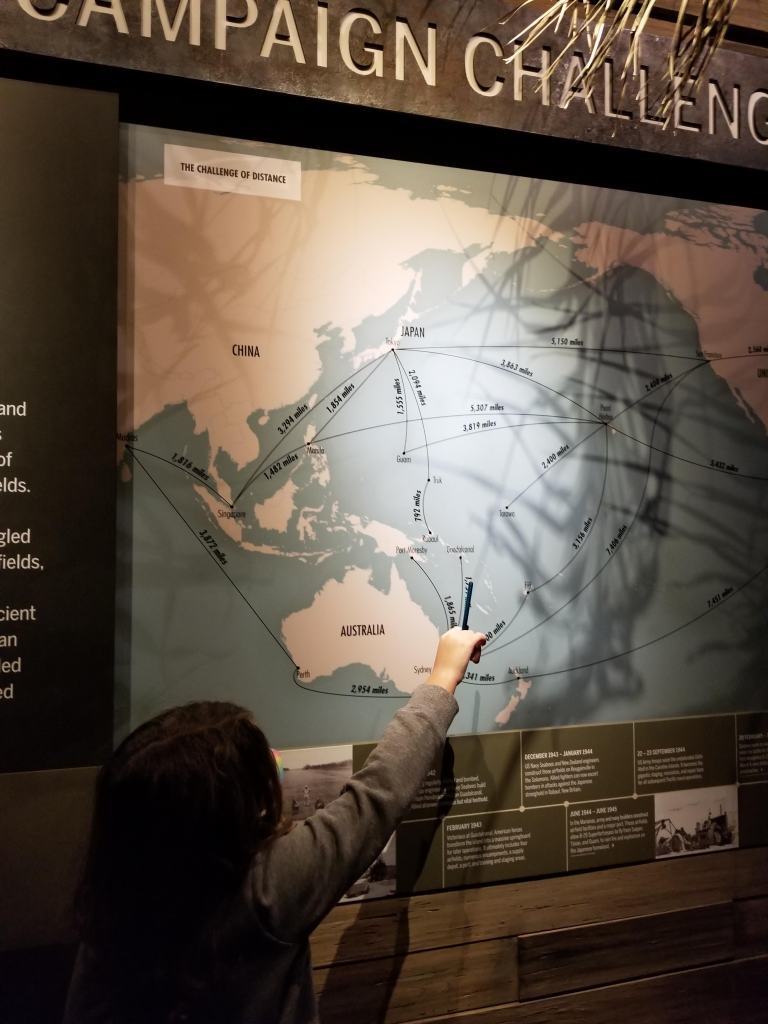
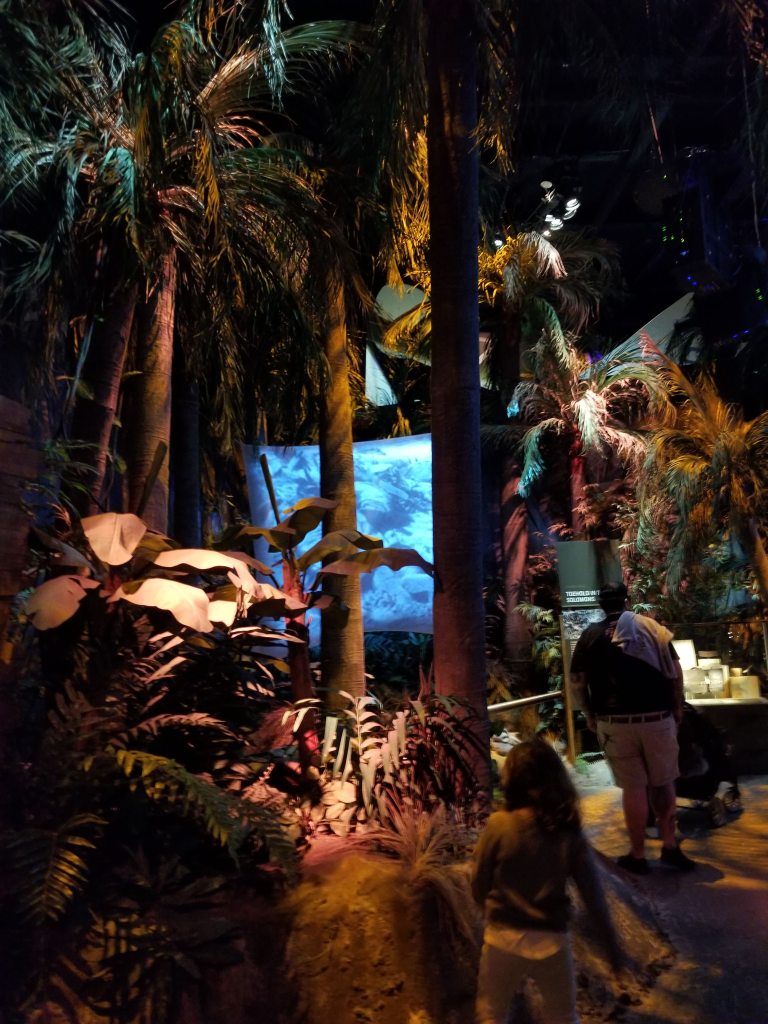
The museum spans across several buildings and several floors. The buildings are connected by walkways that go over the street below. In one of the buildings, there are two separate immersive exhibits – The Road to Tokyo and The Road to Berlin. Each one gave detailed information about the battles fought on the two different fronts (in the East and in the West). I call them immersive, because the exhibits were designed to showcase the unique landscape of each battle.
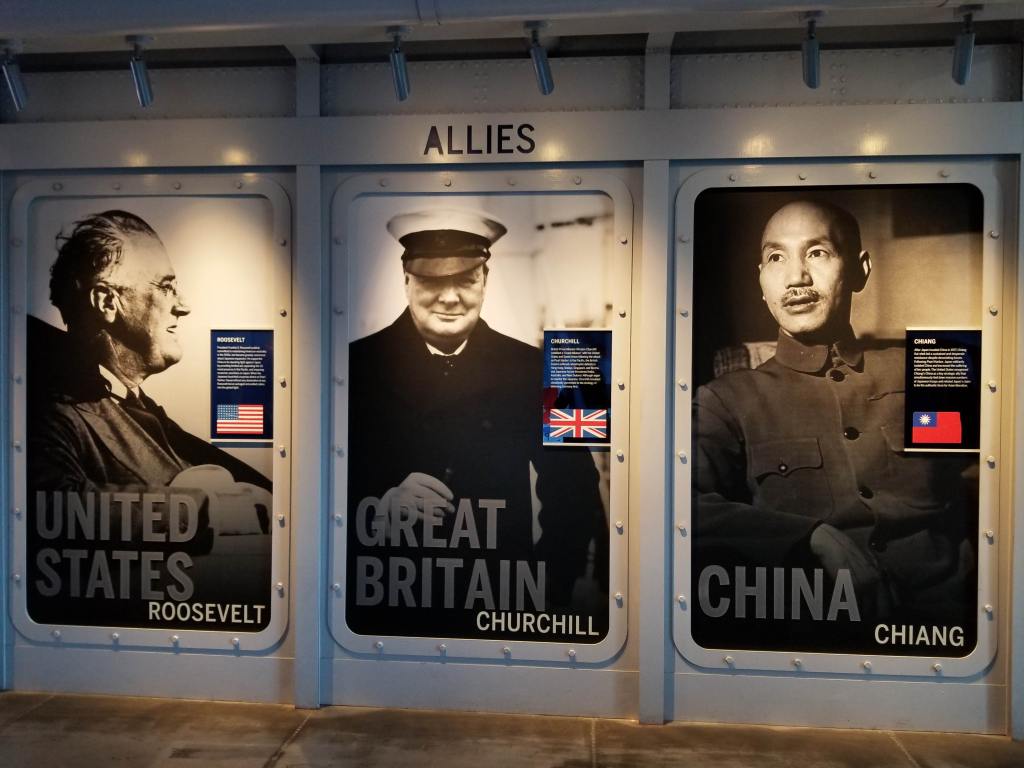
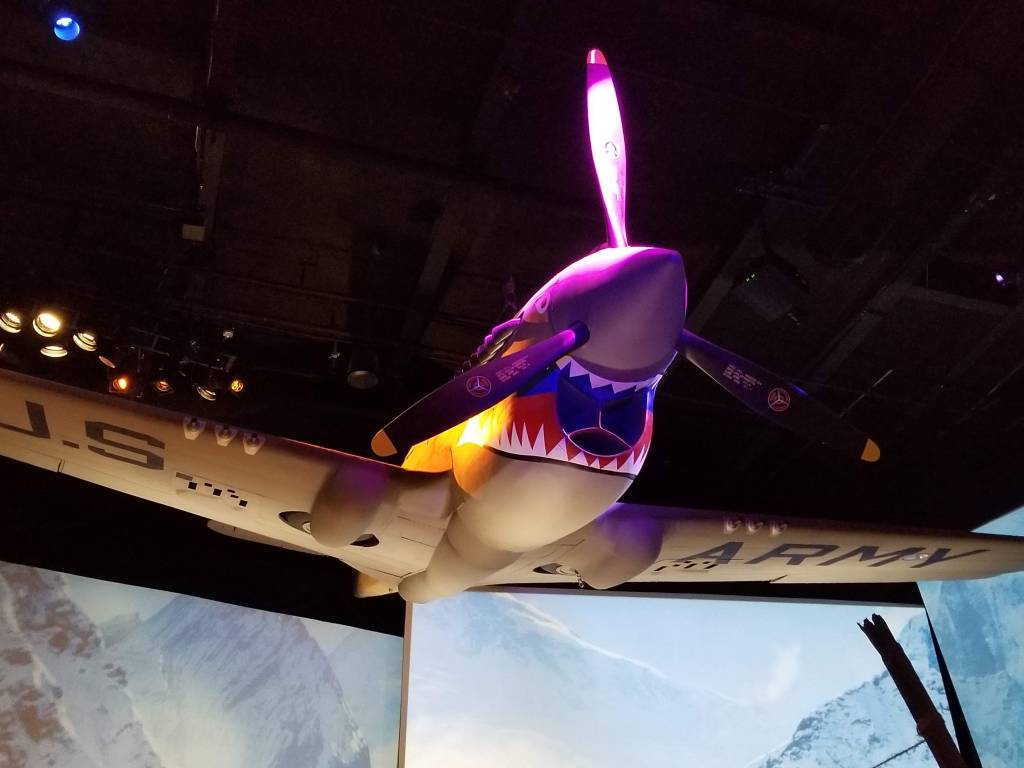
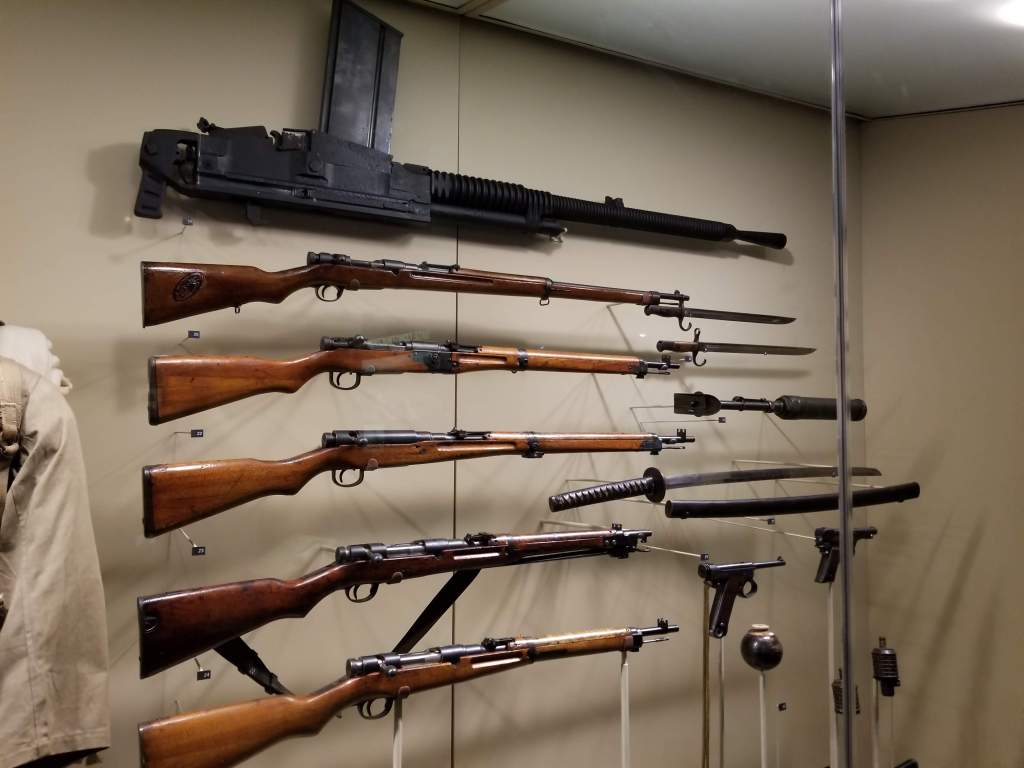
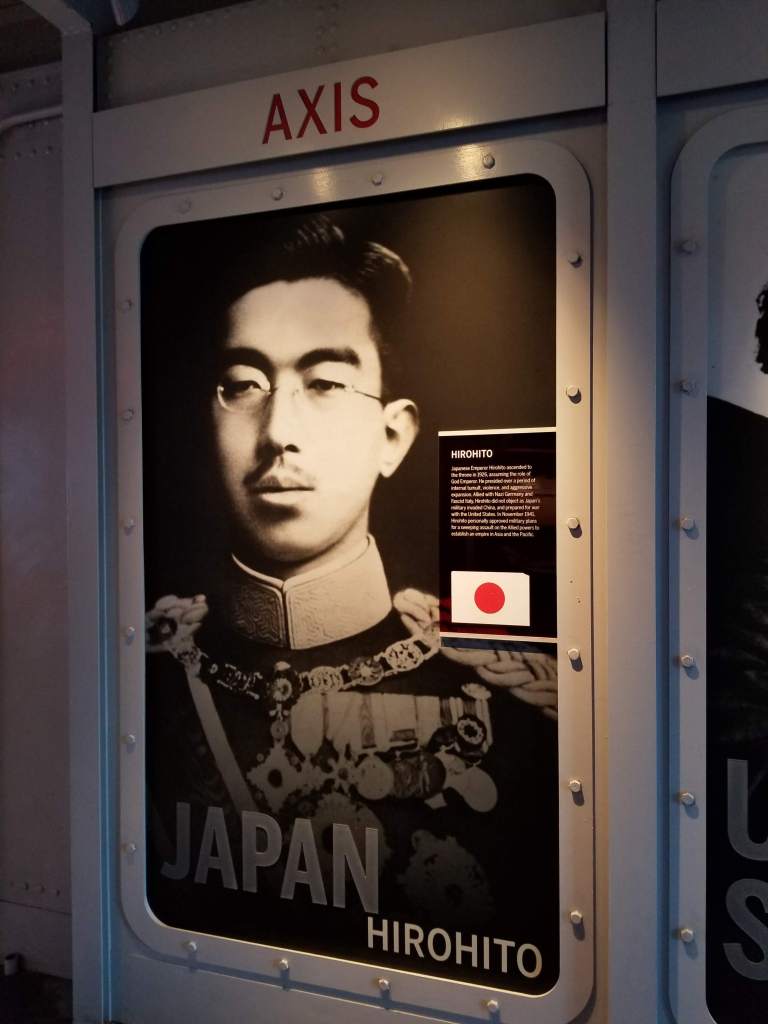
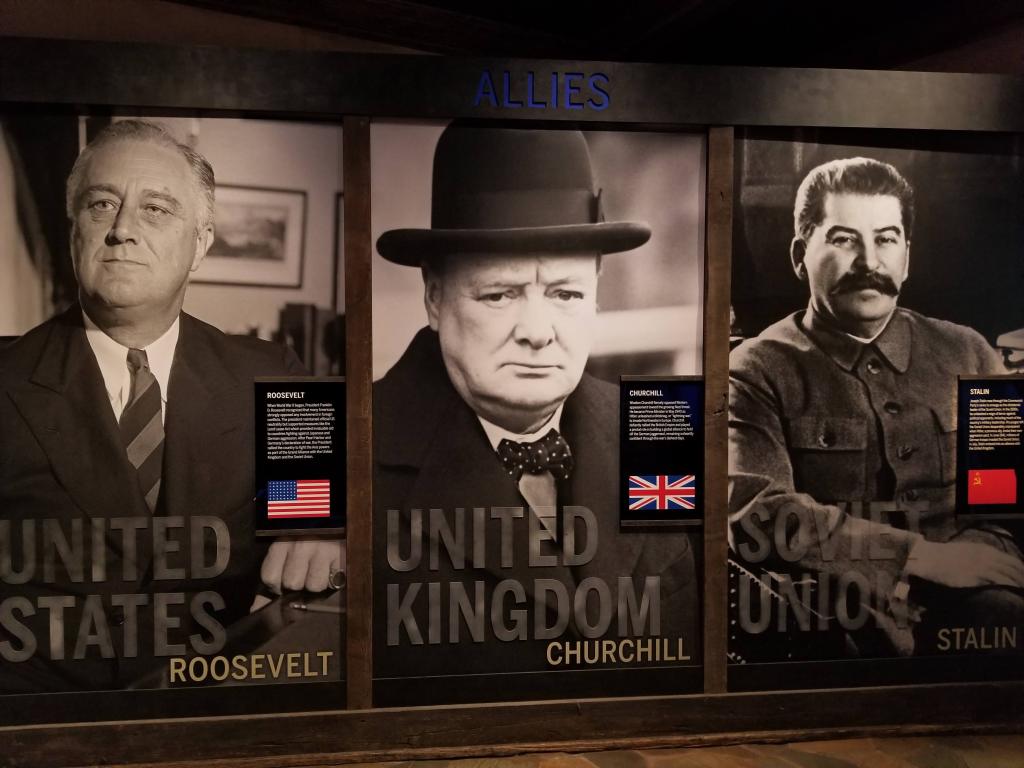
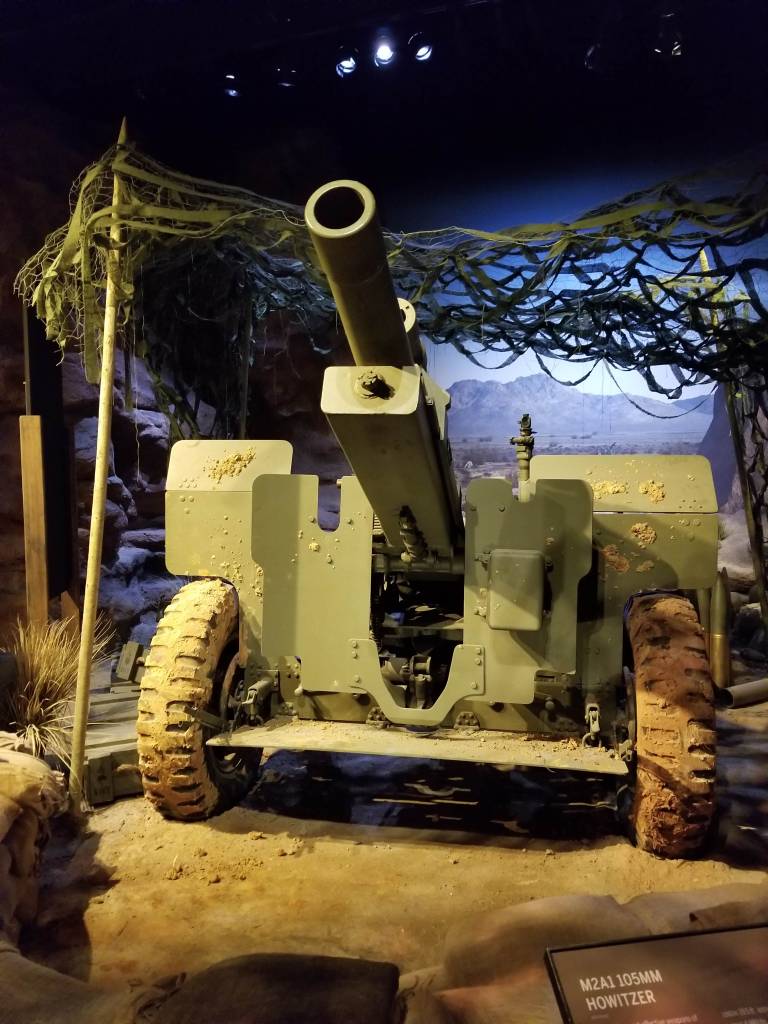
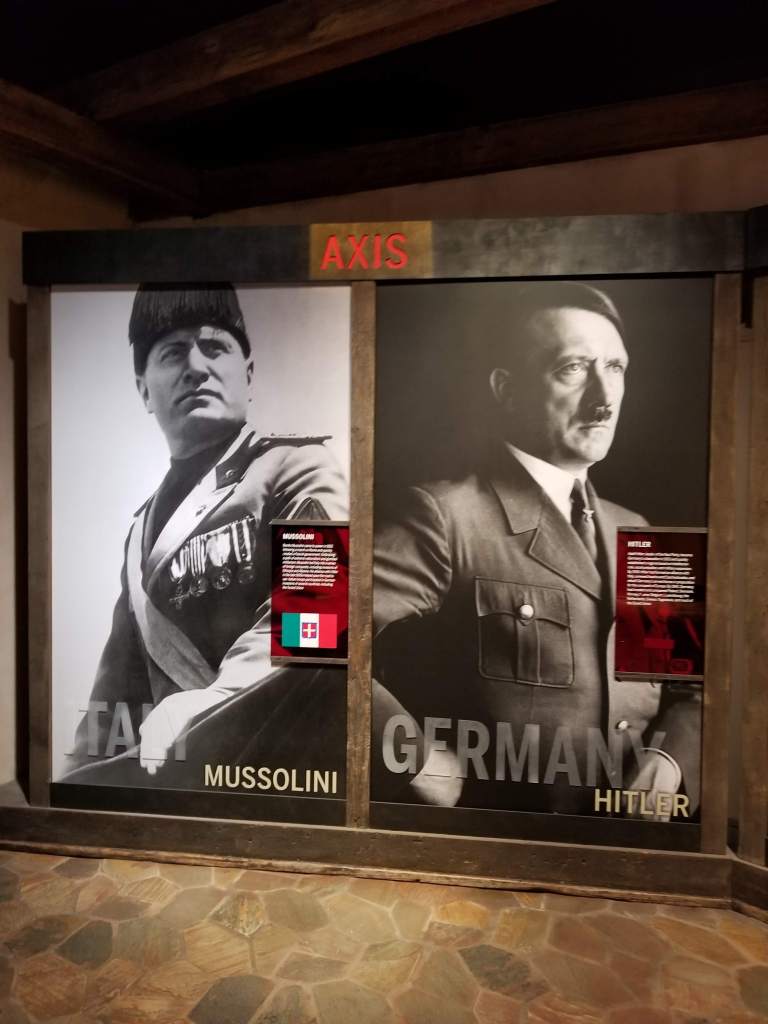
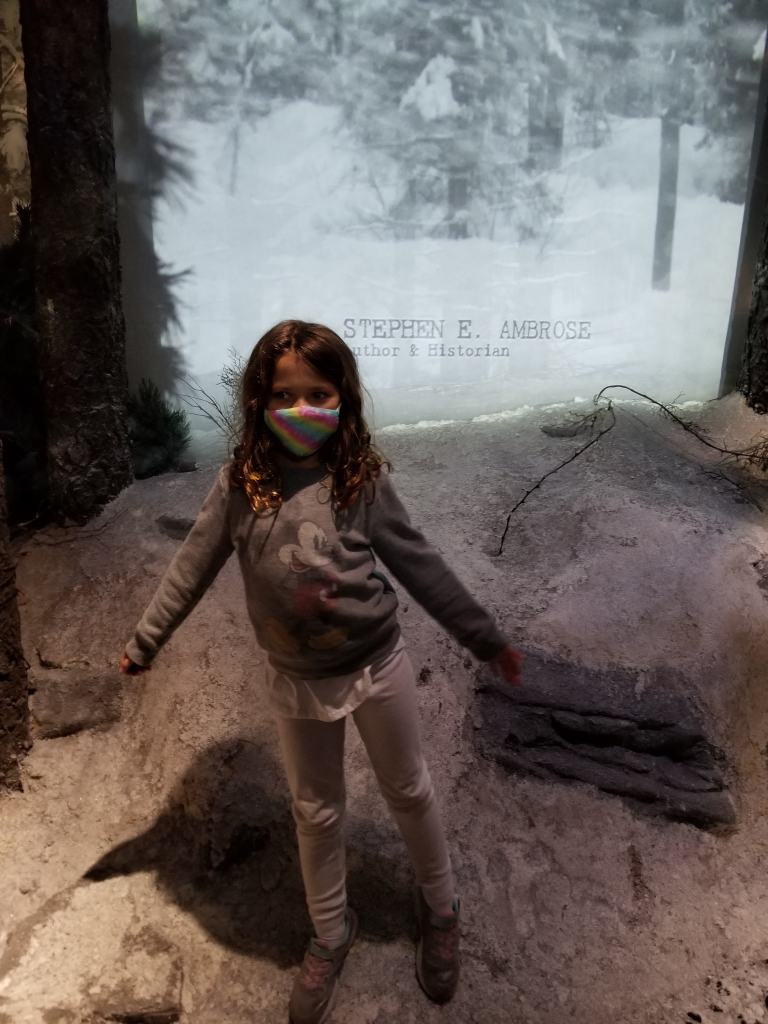
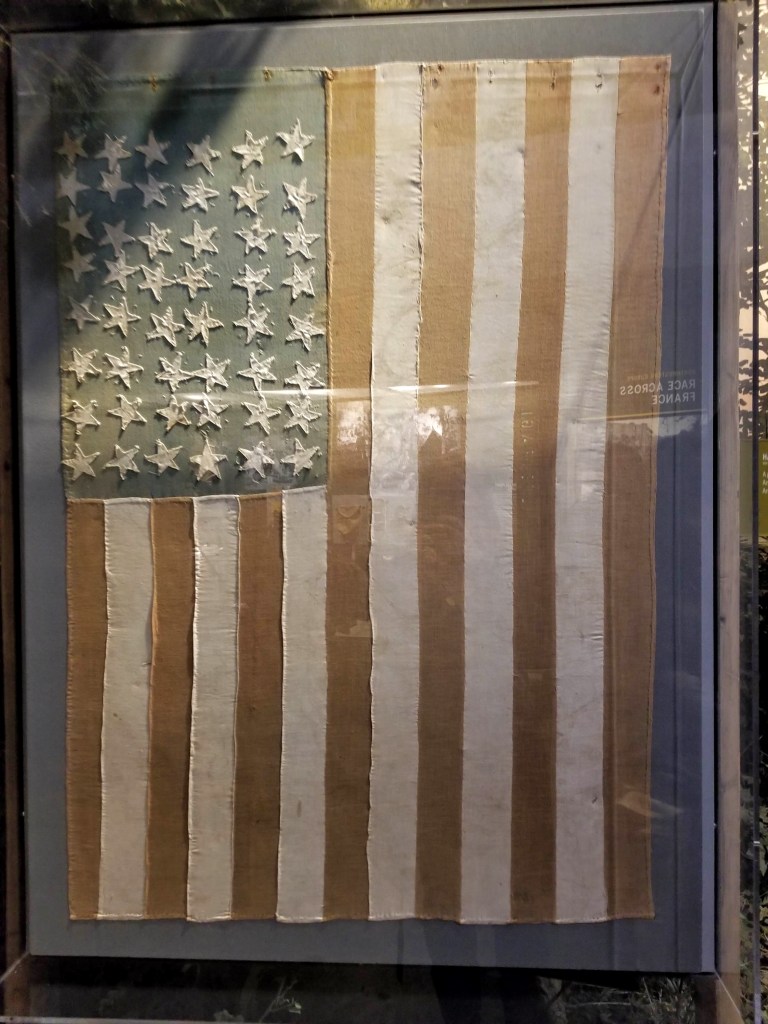
flag made by French teenagers as a gift during the liberation 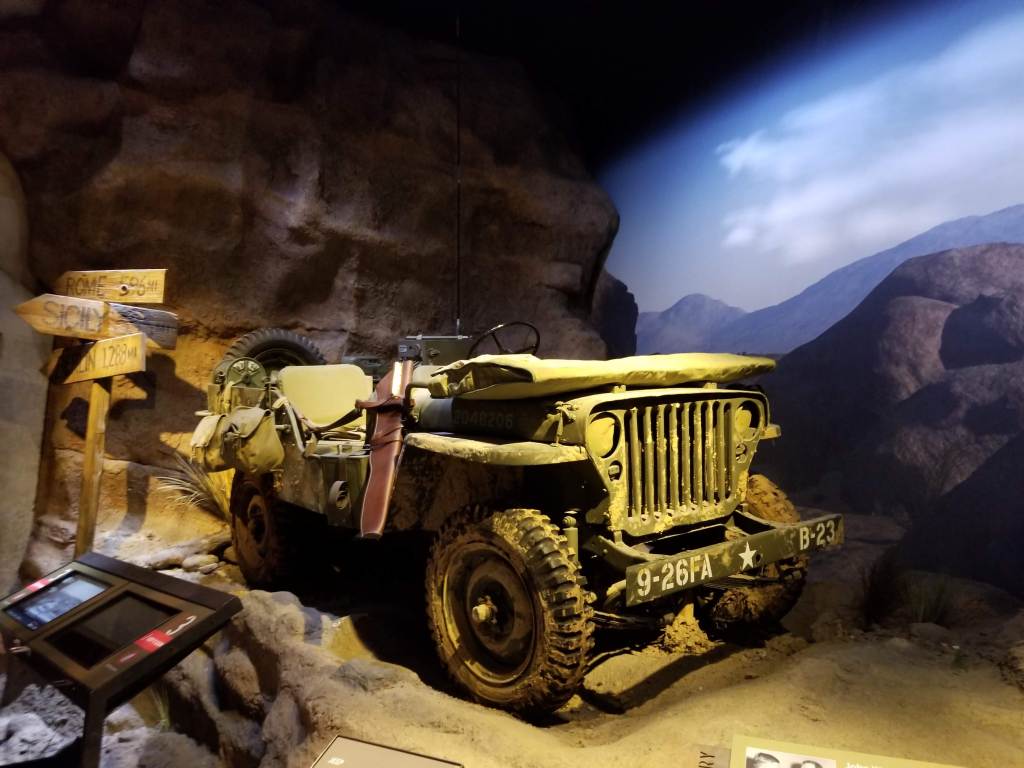
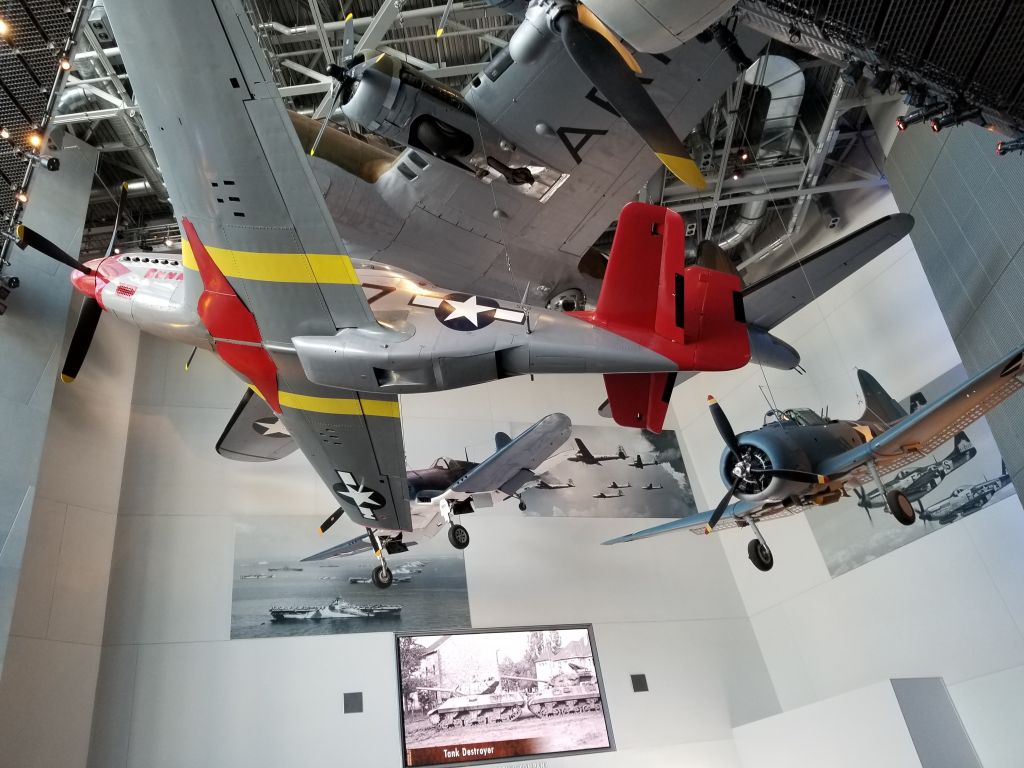
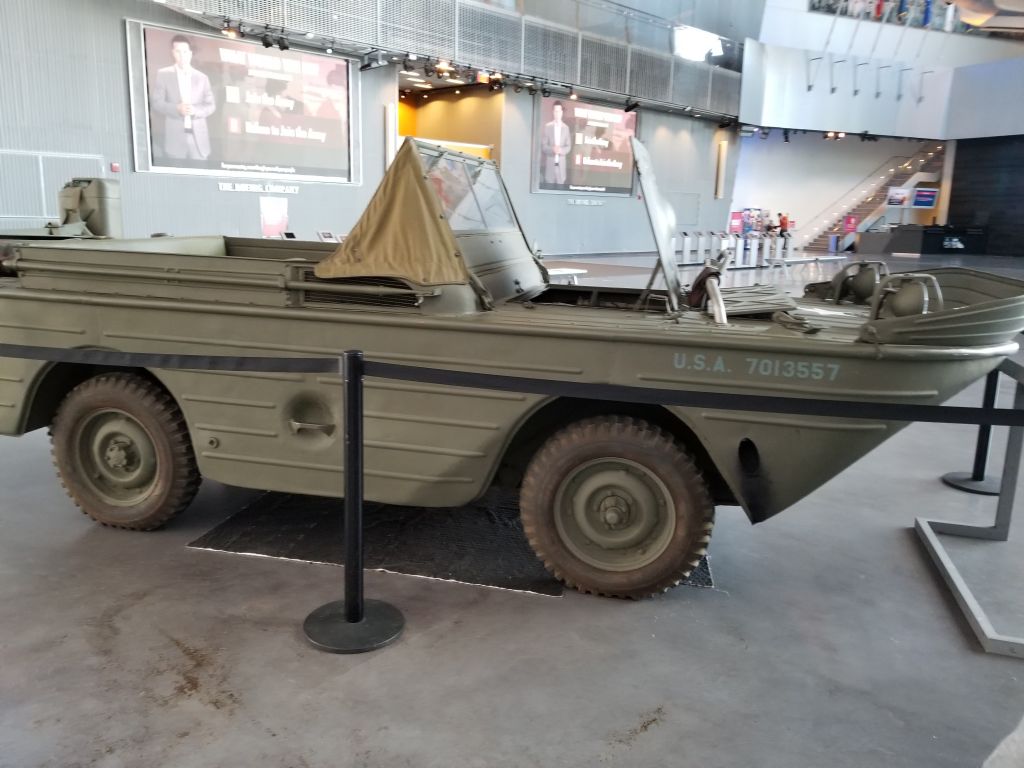
There is a huge gallery (four stories high) that houses planes and other vehicles used during the war. You can climb all the way to the top to look down at the planes, also, but we didn’t do that for two reasons. 1) a museum employee warned us that it can be quite scary up there for those scared of heights and 2) the elevator was not working, so we would have had to take the stairs!
An interesting interactive exhibit gave you ethical dilemmas that had to be made during the war. First, you watch a video explaining the pros and cons of making the decision. Then you vote with what you would do. The statistics are put up on the screen of how your group and visitors in general voted. Next, you watch another video telling you what actually happened and how it turned out. My daughter and I are definitely not cut out to make those difficult wartime decisions.

We also watched the 4-D movie, Beyond All Boundaries, narrated by Tom Hanks. You buy tickets for this when you purchase admission. It is an immersive theater experience with props on stage with the screens. There are also special effects, such as gun shots, your seat shaking, snow, etc. There is a warning before you enter that it may be a difficult experience for those with sensory issues or post traumatic stress. The movie was very powerful, but a bit much for my daughter, who had to cover her eyes several times. It is an emotional journey through the war, bringing to life some aspects in a way that can’t be seen just through the exhibits. I definitely recommend attending the show if you visit the museum.


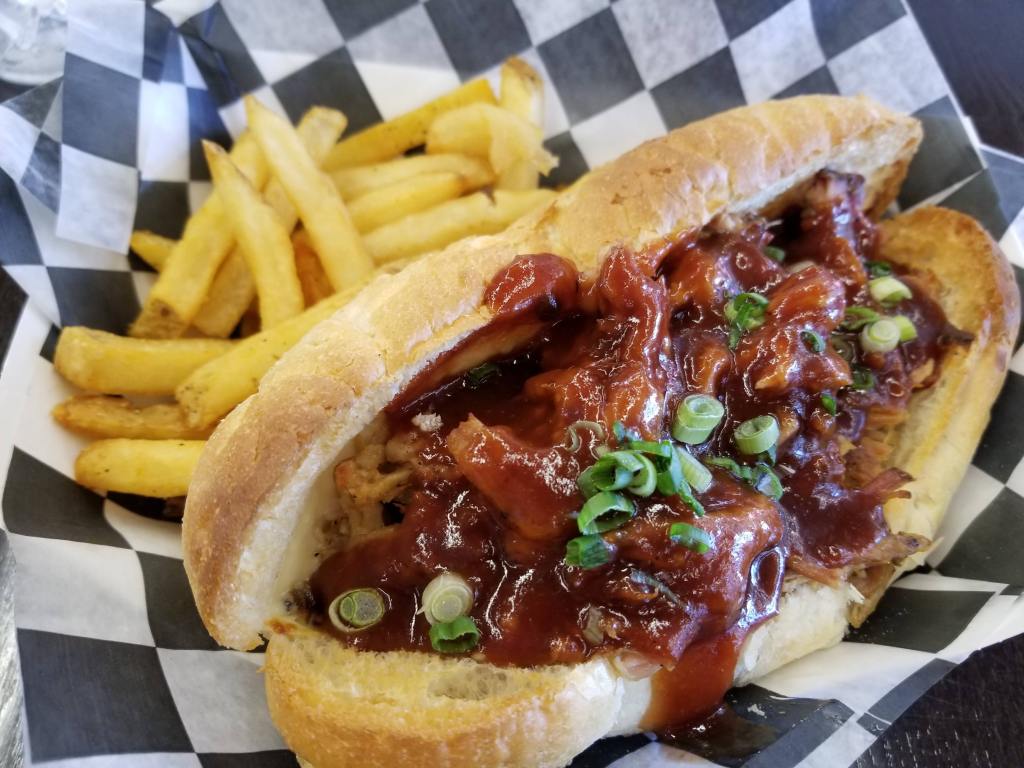
We also had lunch at The American Sector, the restaurant located in the museum. I needed a fork and knife to tackle this po-boy, but it was quite tasty.
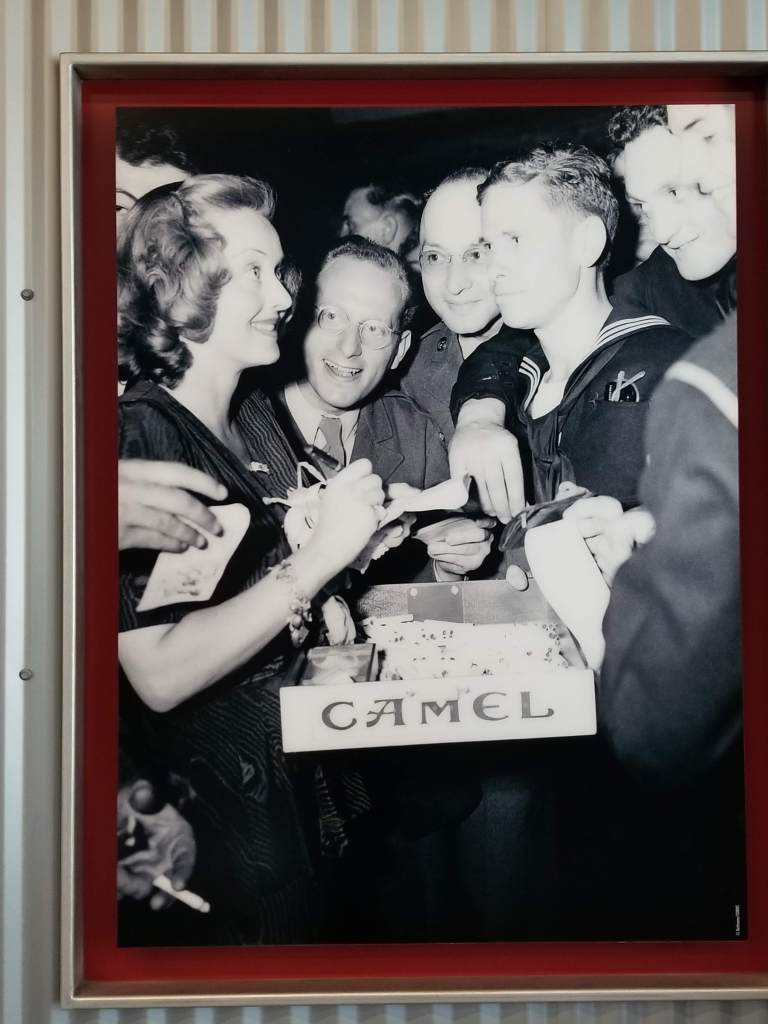
We did not go to the main museum store across the street, which in addition to souvenirs and World War II memorabilia had super-cute vintage style clothing. We did pass by the two stores located in the museum, however. Among all of the Rosie the Riveter merchandise, I found this awesome shirt and had to take a picture.


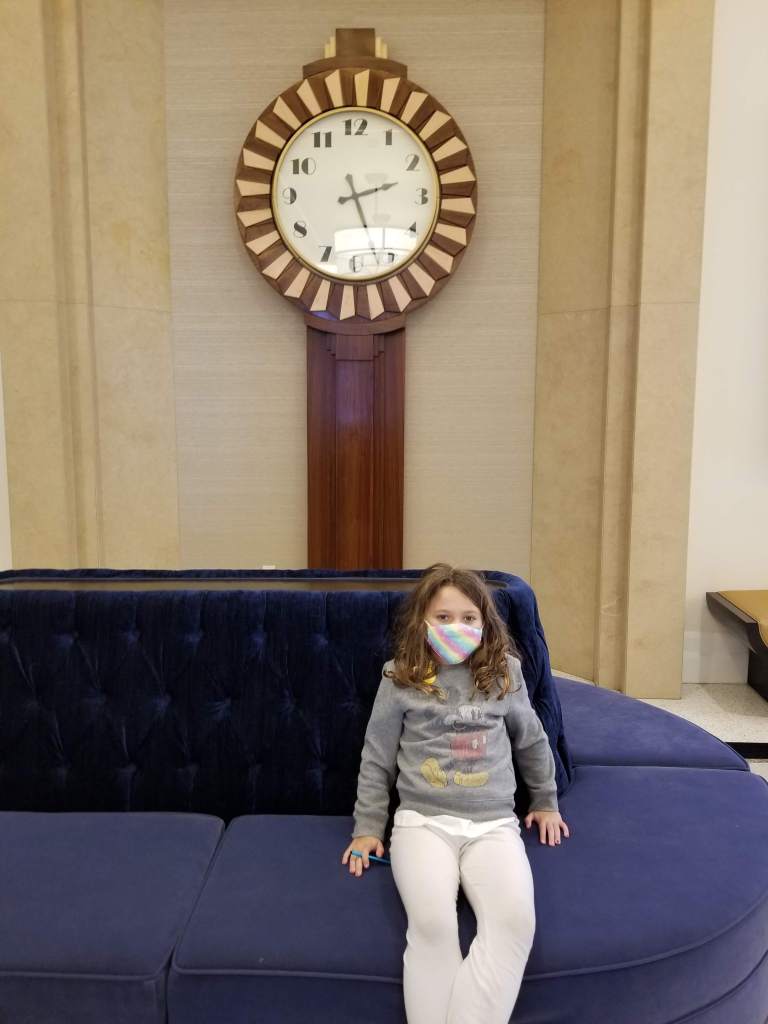
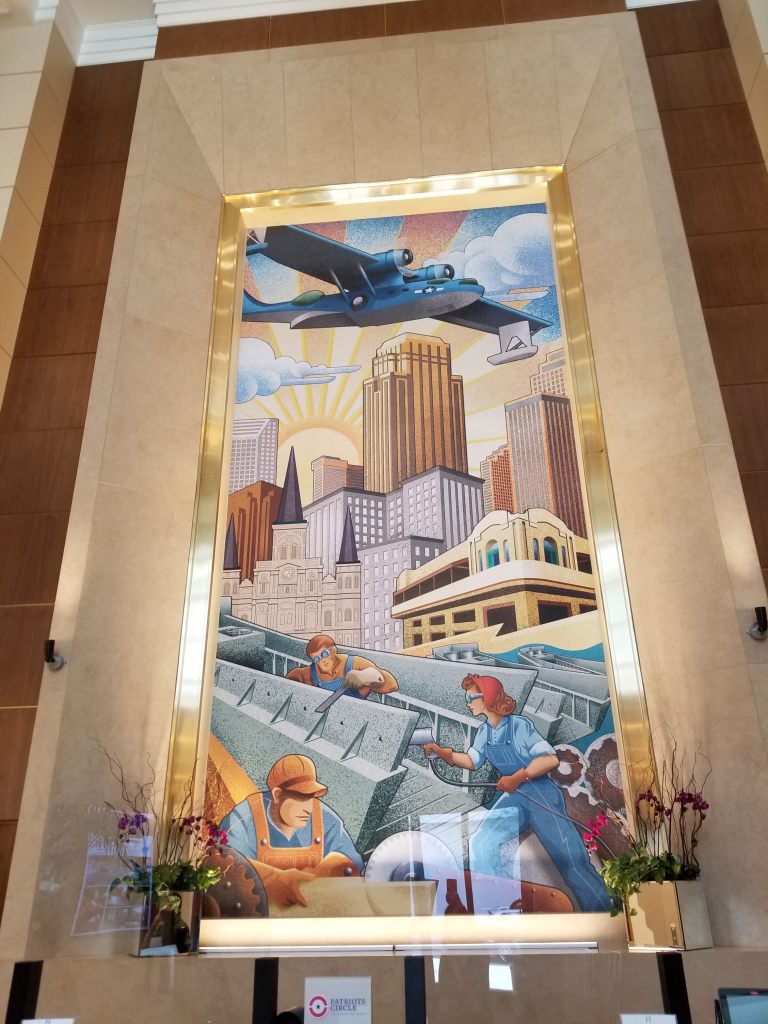
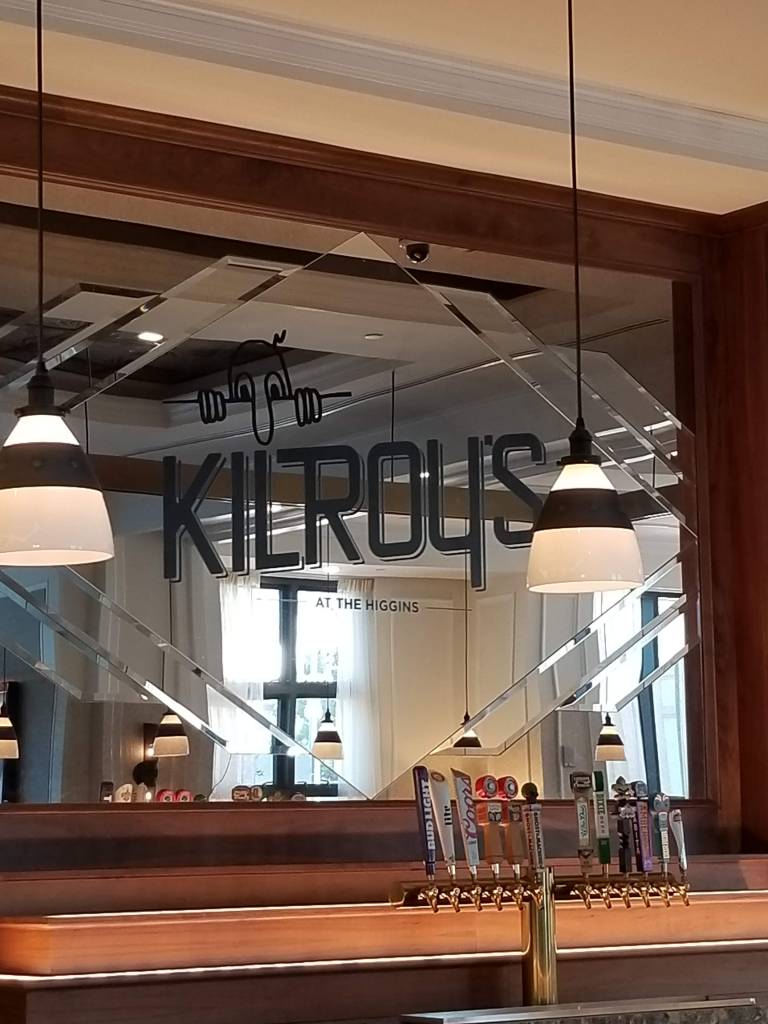
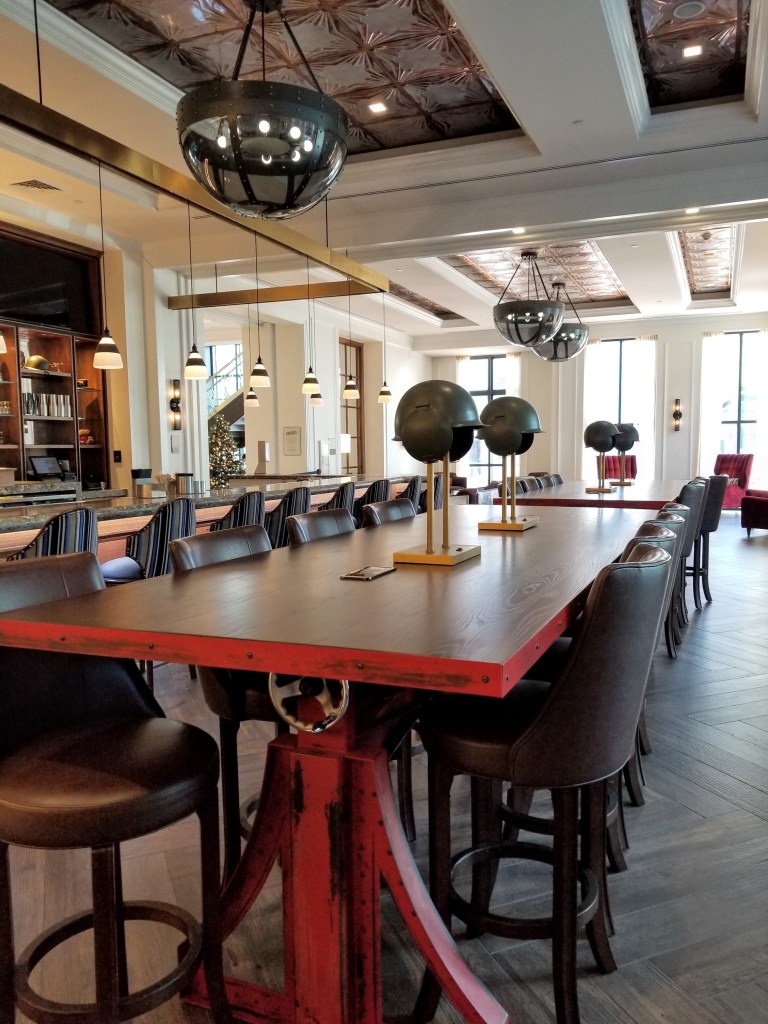
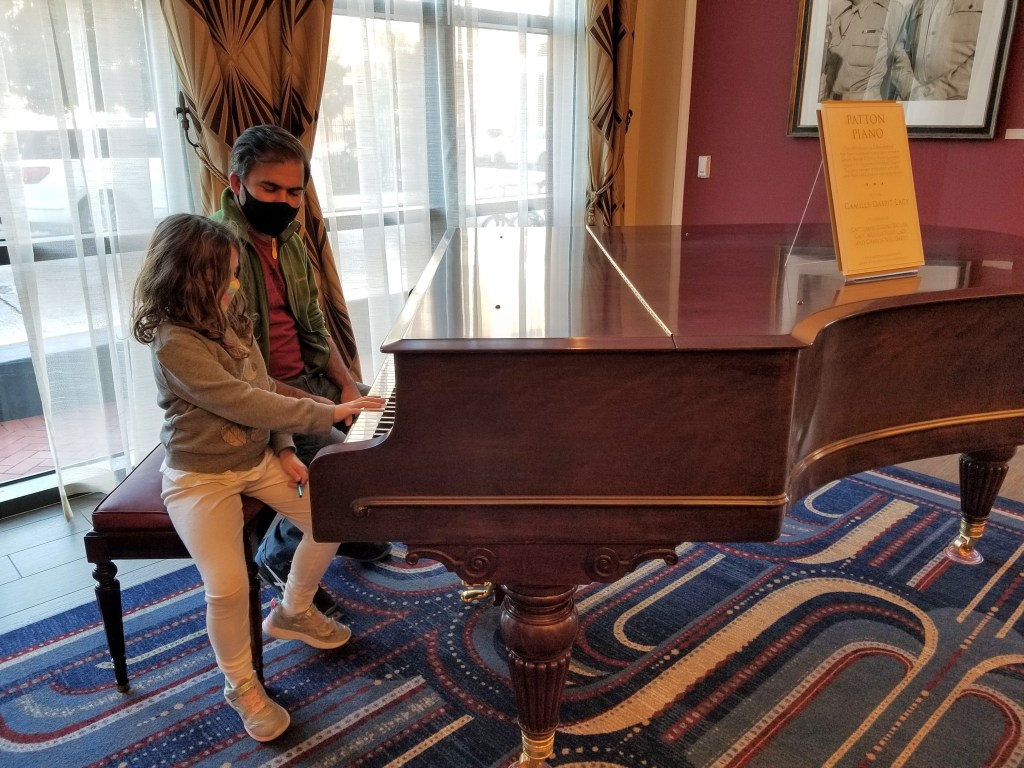
After leaving the museum, we headed down the street to the Higgins Hotel, where my brother-in-law works. The hotel is World War II themed and very nice.
I hope you enjoyed my pictures from the National World War II museum in New Orleans. It is an excellent museum, and I definitely recommend that you visit!

















 Looking on the Bright Side